Key Precautions and Core Functions of the Rock Drilling Rod
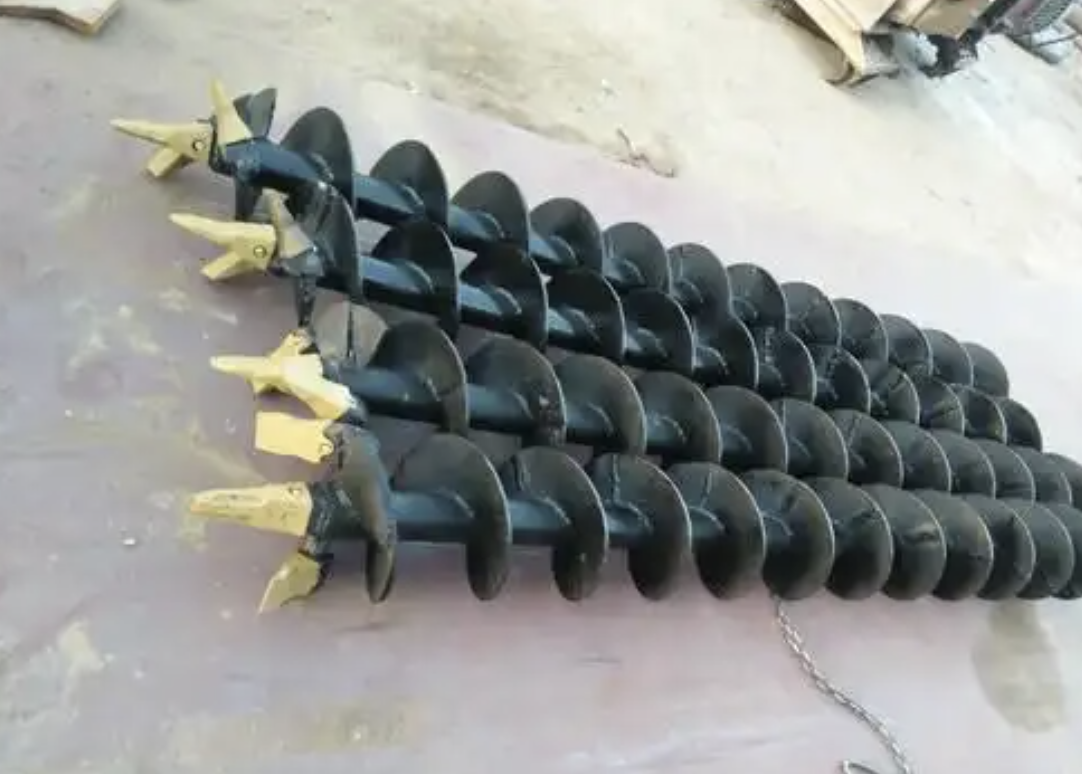
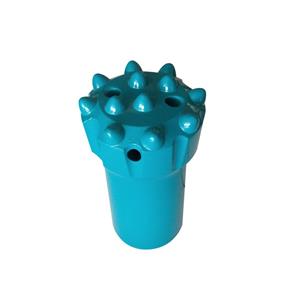
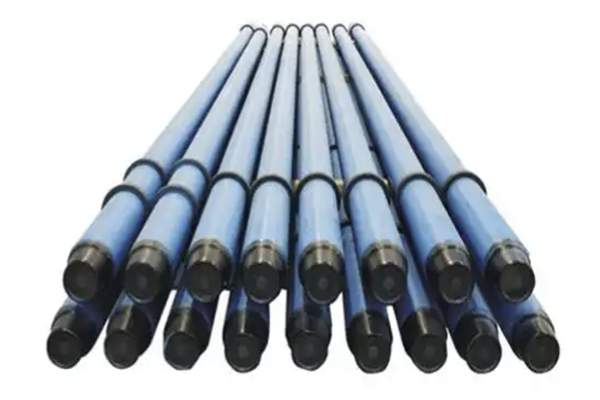
A rock drilling rod is a steel pipe with threaded ends, mainly used to connect surface rig equipment with downhole drilling or milling tools and bottom-hole assemblies. Its primary function is to deliver drilling mud to the bit and, together with the bit, perform hoisting, lowering, and rotation of the bottom-hole assembly. Because of demanding operating conditions, the rod is subjected to high internal and external pressure, torsional stress, bending stress, and vibration loads. Strict operating procedures are therefore essential during use.
I. Precautions for Drill Rod Connection
All connection bolts must be tightened to the specified standard to ensure secure joints and prevent loosening or drop-off into the drill string, which may cause stuck-pipe incidents.
Heavy-duty links and wire-rope clips must be qualified, high-quality products to avoid fragment generation from component failure, which could enter the drill rod and lead to stuck-pipe faults.
II. Main Functions of the Drill Rod
Running and pulling the bit: Enables lowering and retrieving the bit in the borehole for drilling and bit replacement operations.
Applying weight on bit: Transmits the required drilling load to the bit to maintain drilling efficiency.
Transmitting power: Transfers rotational power from surface equipment to the bit to drive drilling and milling operations.
Delivering drilling fluid: Provides stable mud circulation to the bit for cooling and cuttings transport.
Supporting special operations: Works with other tools for specialized tasks such as cement squeezing and downhole accident handling, helping keep drilling projects on schedule.
III. Effects of Drilling Process on Drill Rod Breakage and Prevention
Optimize the bottom-hole assembly: Use a proper bit and tool combination with suitable annular clearance; apply compliant drag-reducing additives to maintain mud lubricity, reduce rotational resistance, and minimize drill rod wear.
Control borehole quality: Avoid over-gauge holes to prevent abnormal wall clearance that can induce tool bending and eventually cause drill rod breakage.
Standardize process parameters: Strictly control weight on bit and rotary speed to prevent overload conditions that exceed rod limits and trigger fracture.
Adapt to complex formations: When wireline coring is used in complex formations, develop targeted mitigation measures and enforce standardized operating procedures to reduce breakage risk.
Standardize operating behavior: Avoid abnormal impact loading, heavy jarring, or excessive torsional forcing during operations, as local stress concentration can lead to rod failure.