Yantai Gaea Liquid Oxygen Rock Fracturing Services and Equipment Principles
Yantai Gaea Liquid Oxygen Rock Fracturing: Service Scope and Equipment Principles
Rock fragmentation is a central task in mining, road construction, foundation excavation, slope treatment and site development. Conventional explosive blasting can deliver high productivity, but many projects face restrictions related to permits, nearby infrastructure, environmental controls, vibration concerns or worksite safety requirements.
The source article introduces liquid-oxygen rock fracturing as a controlled rock-breaking option for selected projects. In this version, the original company name has been replaced with Yantai Gaea. The article presents the technology as a non-traditional solution that can be evaluated when conventional blasting is restricted or when a project needs a more controlled excavation approach.
Liquid oxygen rock fracturing should be understood as a project-specific engineering method. It is not automatically appropriate for every rock formation or construction site. The final decision should be based on geological assessment, site constraints, equipment suitability, local regulations and a formal safety plan.
Basic Principle of Liquid Oxygen Rock Fracturing
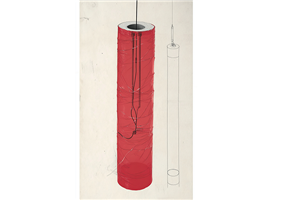
The source describes the method as using the rapid physical expansion of liquid oxygen after conversion into gas within a purpose-designed rock-fracturing assembly. In a controlled borehole environment, pressure can develop and act on the surrounding rock. When the local stress exceeds the rock’s tensile resistance, fractures may initiate or extend along weak planes.
The article characterizes this as a physical rock-splitting process rather than a conventional explosive chemical detonation process. The intended result is controlled cracking and separation of the rock mass, making it easier for excavators, loaders or other mechanical equipment to remove the material.
The source also emphasizes the difference between this method and conventional explosive blasting. A pressure-driven rock-fracturing process may be considered in locations where project teams need to manage the effect of excavation on nearby assets or work under restrictions on conventional explosive use.
Actual results must be confirmed at the jobsite. Rock type, natural fractures, borehole conditions, available free face, groundwater and operating discipline can all affect the final outcome.
Potential Project Applications
The article identifies several types of work that may consider liquid oxygen rock fracturing:
Mine and quarry rock excavation
Roadbed and highway construction
Railway and infrastructure projects
Large foundation pits
Building-site leveling
Slope treatment and localized hard-rock removal
Ecological restoration projects
Restricted zones where conventional explosive products cannot be used
In road construction, controlled rock fracturing may be relevant where excavation limits need to be managed carefully near structures or utilities. In foundation and slope projects, it may be considered for isolated boulders or localized hard-rock layers. In mining environments, it may be used alongside mechanical excavation where a project needs a controlled rock-removal sequence.
Yantai Gaea should evaluate the project’s actual geology and construction requirements before discussing a configuration. A suitable solution depends on the site, not merely on the equipment itself.
Geological and Site Assessment
The source notes that rock properties are among the most important factors affecting performance. Relevant conditions include rock hardness, integrity, joint development, fissure distribution, weathering and water conditions.
Highly competent and dense rock may require a different engineering approach from fractured or moderately weathered rock. In some cases, a liquid oxygen rock-fracturing method may be considered together with mechanical breaking or other controlled rock-removal techniques.
A project evaluation should normally review:
Rock type and physical strength
Natural joints, fissures and bedding planes
Degree of weathering and groundwater conditions
Drilling quality and excavation geometry
Site access and material-removal method
Nearby buildings, utilities and environmentally sensitive areas
Project schedule and work sequencing
Applicable construction, safety and environmental requirements
This information helps determine whether controlled fracturing is technically suitable and whether a trial or additional engineering review is needed.
Service Scope of Yantai Gaea
The article presents the supplier role as more than the delivery of equipment. A professional service scope may include technical communication, project evaluation, equipment selection, operating documentation, training needs and coordination with the construction team.
For Yantai Gaea, the goal should be to help project owners and contractors convert a rock-breaking requirement into a workable and controlled solution. This may involve reviewing available site data, discussing equipment compatibility, identifying important safety considerations and clarifying the project information required before work begins.
The final construction method, operating authorization and safety controls must be established by qualified professionals for the individual site. Yantai Gaea should not make fixed claims about output, cost savings, environmental performance or regulatory compliance without project-specific evidence.
Safety Management Requirements
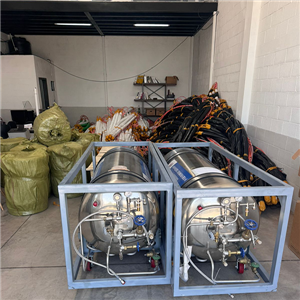
Liquid oxygen is a cryogenic oxidizing medium. It requires strict controls for handling, storage, transfer and use. A pressure-related rock-fracturing system also requires proper equipment inspection, operator training and a clearly defined site-management process.
Only trained and authorized personnel should operate the relevant equipment. A formal site plan should address:
Personnel competence and responsibilities
Equipment inspection and maintenance
Storage and handling of liquid oxygen
Pressure-system safety
Electrical and initiation controls
Site exclusion and access management
Emergency-response arrangements
Applicable local laws and approval requirements
The source refers to equipment integrity, sealing performance, ventilation and protective measures. These should be treated as project-specific controls rather than universal instructions. Each site must establish its own approved procedures based on its engineering conditions and local regulation.
Construction Schedule and Logistics
The article notes that project schedule can be influenced by several practical factors. Even where controlled rock fracturing is technically suitable, a contractor must consider drilling progress, equipment readiness, supply arrangements, workforce coordination and downstream excavation.
A method may appear efficient in principle but produce delays if the work sequence is poorly coordinated. For this reason, the overall workflow should be assessed rather than focusing only on the rock-fracturing event itself.
Logistics are especially important when liquid oxygen is involved. Supply reliability, transport requirements, storage conditions and safe handling capacity can affect whether the approach is realistic for a particular project.
Environmental and Economic Considerations
The source presents liquid oxygen rock fracturing as potentially useful for projects seeking a more controlled alternative to conventional blasting. It discusses the possibility of lower disruption in selected settings and the absence of conventional unexploded-explosive residue after the liquid medium has dispersed.
However, environmental and economic results should not be assumed. Noise, vibration and dust can still require management. A project should monitor applicable impacts and comply with its environmental conditions. Similarly, total cost must include equipment, consumables, labor, logistics, drilling, maintenance and material-removal requirements.
A fair comparison should be based on the whole project rather than one cost item. Depending on rock conditions and local constraints, mechanical breaking, conventional blasting or another controlled method may be more appropriate.
Frequently Asked Questions
Is liquid oxygen rock fracturing the same as explosive blasting?
No. The source describes it as a pressure-driven physical rock-fracturing method rather than a conventional explosive chemical detonation process. Its legal and safety requirements must still be confirmed locally.
Which projects may consider this technology?
Potential scenarios include mines, roadbeds, foundation pits, slopes, building-site leveling and other locations where conventional blasting is restricted or requires additional control. Site suitability must be reviewed individually.
Is it suitable for all rock conditions?
No. Rock hardness, integrity, joints, water conditions and drilling quality can substantially affect results. Extremely dense or difficult formations may require another method or a combined excavation approach.
What should a contractor provide for an initial evaluation?
Useful information includes geological reports, rock description, site layout, nearby structures, project schedule, access conditions and the intended excavation result. This information helps Yantai Gaea assess whether a controlled rock-fracturing approach may be relevant.
Does the method remove all safety and environmental concerns?
No. Liquid oxygen and pressure systems require professional management. Trained personnel, approved procedures, equipment inspection and compliance with local safety and environmental rules remain essential.