Yantai Gaea Liquid Oxygen Rock Fracturing: Working Mechanism and Safety Knowledge
Yantai Gaea Liquid Oxygen Rock Fracturing: Working Mechanism and Safety Knowledge
Open-pit mining, infrastructure construction, roadbed excavation and large earthwork projects often require effective methods for breaking rock. Conventional explosive blasting may offer high output, but it can face restrictions related to permits, surrounding structures, environmental conditions, vibration control and worksite safety requirements.
The source article discusses liquid-oxygen rock fracturing as a controlled rock-breaking approach. In this version, the original company designation has been replaced with Yantai Gaea. The article examines the basic physical principle, potential application settings and important safety considerations for liquid-oxygen-based rock-fracturing work.
Liquid oxygen rock fracturing should be understood as a project-specific technical option. It is not appropriate for every geological condition or project objective. Contractors must evaluate the actual site, applicable regulations, equipment suitability and safety requirements before choosing any rock-breaking method.
Basic Working Mechanism
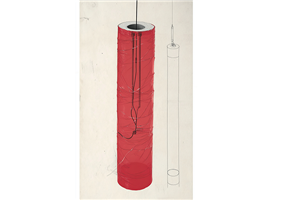
The source describes liquid oxygen as a cryogenic liquid that can rapidly convert into gas when exposed to suitable conditions. In a purpose-designed pressure assembly and controlled borehole environment, the expansion of the medium can create pressure that acts on the surrounding rock mass.
When the local pressure exceeds the rock’s tensile resistance, fractures may develop or extend through existing joints, bedding planes and other structural weaknesses. The intended result is controlled rock cracking and separation, allowing the broken material to be removed by mechanical equipment.
This differs from conventional explosive blasting, which uses an explosive chemical reaction to produce a rapid shock-wave effect. The source characterizes liquid oxygen rock fracturing as a pressure-driven physical process. However, the absence of conventional explosive products does not eliminate the need for strict safety controls. Liquid oxygen and pressure systems introduce their own significant hazards.
Potential Application Scenarios
The article identifies several situations where controlled liquid oxygen rock fracturing may be considered:
Open-pit mine and quarry projects
Roadbed and slope excavation
Infrastructure construction
Large earthwork and hard-rock removal
Work zones where conventional explosives are restricted
Projects near sensitive structures or protected areas
Sites where controlled excavation is a priority
For example, an excavation project may need to limit its effect on surrounding infrastructure or organize rock removal in a restricted working area. In these cases, a controlled rock-fracturing option may be worth engineering evaluation.
Yantai Gaea can discuss technical requirements and equipment scope, but suitability should always be confirmed through project-specific geological assessment, site planning and regulatory review.
Geological Conditions and Application Limits
The source notes that the results of liquid oxygen rock fracturing depend on geological conditions. Relevant factors include rock hardness, rock integrity, joint and fissure development, water conditions, borehole quality and available free surface.
More brittle rock of moderate or greater strength may respond differently from soft rock, highly weathered ground or soil-and-rock mixtures. In some formations, pressure may escape through natural discontinuities before the desired fracture pattern develops. In other conditions, mechanical breaking may be more practical or economical.
A responsible evaluation should review:
Rock type and physical strength
Natural fractures and bedding planes
Degree of weathering
Groundwater and water-bearing conditions
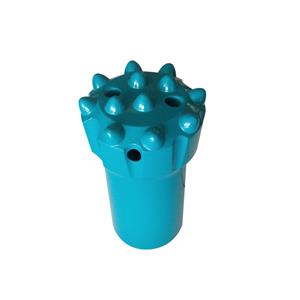
Drilling accuracy and borehole quality
Site access and excavation geometry
Nearby buildings, pipelines and utilities
Required rock-fragment size and removal method
Project schedule, logistics and local controls
This information helps determine whether a liquid oxygen rock-fracturing approach is technically relevant and whether a controlled trial should be considered before wider deployment.
Comparison With Other Rock-Breaking Methods
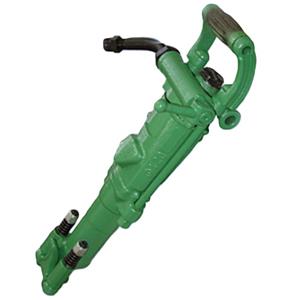
The article compares liquid oxygen rock fracturing with conventional explosive blasting and mechanical breaking methods. Conventional explosives can provide large single-event fragmentation but may require extensive approvals, specialized storage and strict controls. Mechanical breakers can be appropriate in many situations but may become slower or cause higher equipment wear in certain hard-rock conditions.
Liquid oxygen rock fracturing may offer an additional controlled option between these approaches. It may be considered where a project needs a different balance among excavation control, site restrictions, logistics and downstream material removal.
No method is universally best. A contractor should select the method that matches its geology, safety requirements, project timeline, budget, worksite access and approval conditions.
Liquid Oxygen Safety Requirements
Liquid oxygen is a cryogenic oxidizer. It must be handled with care because it can create cryogenic exposure hazards and oxygen-enriched environments. Oxygen-enriched conditions can greatly increase fire risk when combustible materials or incompatible contaminants are present.
Project safety controls should address:
Authorized and trained personnel
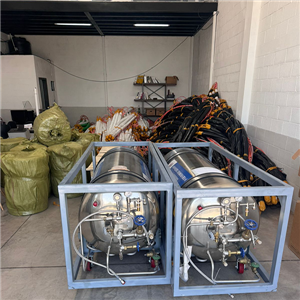
Compatible, inspected pressure equipment
Approved storage and transport arrangements
Prevention of contamination by oils, greases and other incompatible materials
Ventilation and work-zone management
Electrical and static-control measures where required
Emergency-response planning
Compliance with local industrial-gas and occupational-safety requirements
All procedures must be defined by qualified professionals for the actual project. A general article or supplier discussion cannot replace a site-specific safety plan.
The Role of Yantai Gaea
Yantai Gaea can support projects by discussing technical applicability, equipment requirements, operator-training needs, documentation and project-service scope. The company’s role should be to help contractors understand the controlled rock-fracturing option and its operational boundaries.
A responsible supplier should avoid fixed promises regarding fragmentation performance, cost, vibration reduction, environmental outcomes or regulatory approval. These outcomes depend on site geology, project design, operating quality and local requirements.
The source also points to the importance of field coordination, equipment inspection and personnel preparation. These are key elements of a credible project approach because pressure-based rock-fracturing work must be managed throughout the equipment lifecycle, not only at the point of rock breaking.
Frequently Asked Questions
How does liquid oxygen rock fracturing differ from explosive blasting?
The source describes liquid oxygen rock fracturing as a physical pressure-driven process, while conventional explosive blasting relies on chemical detonation. Both require professional planning and strict safety management.
Can the method create vibration or rock movement?
Any rock-breaking activity can create site impacts. The source presents the method as more controlled than conventional blasting in suitable conditions, but project-specific assessment and safety controls remain necessary.
Which rock types may be suitable?
Suitability depends on rock strength, brittleness, joints, fractures and borehole conditions. Soft rock, soil-and-rock mixtures or highly fractured formations may require a different approach.
Is liquid oxygen hazardous?
Yes. Liquid oxygen is a strong oxidizer and cryogenic liquid. It requires trained personnel, compatible equipment, proper storage, contamination control and approved safety procedures.
Does this method avoid all regulatory requirements?
No. Project owners and contractors must comply with applicable construction, industrial-gas, pressure-equipment, transportation, occupational-safety and local site-management requirements.