Post-Blast Inspection: Why One View Is Never Enough
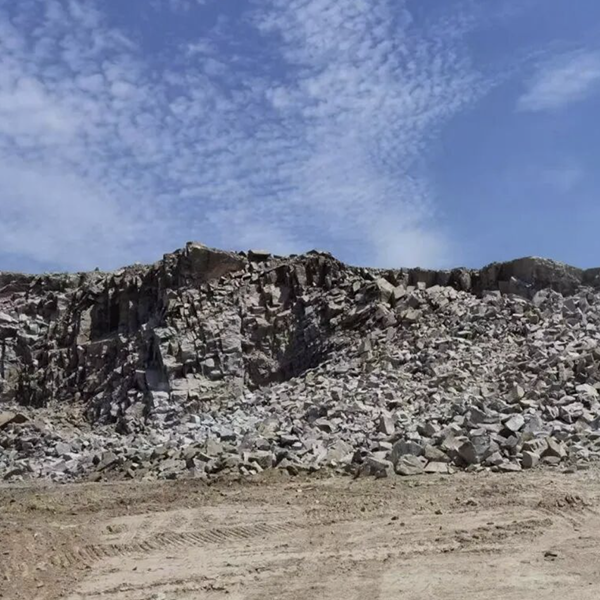
A blast can look successful from the front of the muckpile and still perform poorly across the full bench. For quarry operators, judging results from a single viewpoint creates a real risk of overlooking oversized rock, backbreak, poor fragmentation near the crest, residual toe, or uneven excavation conditions.
Effective blast assessment should be a full-area process, not a quick visual check.
Look Beyond the Muckpile Face
The front of a blasted rock pile may appear clean, loose, and well fragmented. That can create the impression that the blast design worked as intended. However, the working bench surface can reveal a very different result.
A complete inspection should review:
Fragment size distribution across the entire blast area
Oversized material near the upper bench or crest
Backbreak and side damage
Remaining toe or difficult digging zones
Muckpile looseness and excavator access
Conditions affecting the next drilling and blasting cycle
A blast that produces acceptable fragmentation in one visible area but leaves large blocks and damaged bench conditions elsewhere is not an optimised result.
Why Full-Bench Assessment Matters
Aggregate quarries depend on predictable fragmentation and efficient loading. Large rocks can reduce crusher productivity, increase secondary breaking requirements, and slow material handling. Poor bench conditions may also make the next drilling campaign less accurate or more difficult.
A front-only inspection may hide problems that later appear as:
Higher oversize rates
Uneven loading conditions
Reduced drilling accuracy
Increased equipment wear
More secondary rock-breaking work
Delays in the next production cycle
For this reason, post-blast inspection should include a controlled review from multiple safe observation points. The objective is to understand the overall rock mass response, not simply whether the visible face looks acceptable.
Common Signs of Uneven Blast Performance
Large blocks near the upper bench, unexpected backbreak, and uneven fragmentation can indicate that energy distribution or confinement did not perform as planned. Drilling deviation, inconsistent geological conditions, variable rock strength, and design execution issues may all contribute.
These findings should not lead to improvised changes in the field. Instead, they should be documented and reviewed by qualified blasting engineers. The next blast design must be based on approved site procedures, geological observations, measured outcomes, and applicable regulations.
Improve Through Data, Not Assumption
The best improvement process is systematic:
Inspect the full blast area after the required clearance period.
Record fragmentation, bench damage, and loading conditions.
Compare outcomes with the approved blast objectives.
Review drilling quality, geology, and execution records.
Adjust future designs only through competent engineering review.
This closed-loop approach helps operators reduce repeat problems and build a reliable understanding of local rock conditions.
A Safer Alternative for Sensitive Rock-Breaking Work
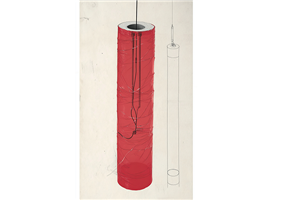
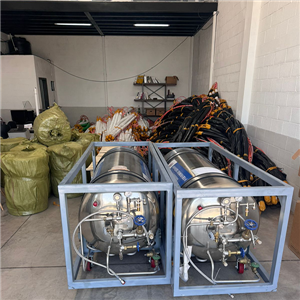
In situations where conventional blasting is constrained by vibration, nearby infrastructure, permitting requirements, or operational sensitivity, engineered alternatives may be evaluated. The Gaea Rock O2 Gas Energy Rock Splitting System uses liquid-oxygen phase-change energy rather than conventional explosive formulations.
Its suitability depends on the project, rock mass, access, regulatory conditions, and professional engineering assessment. It should be selected as part of a controlled site plan, with trained personnel and appropriate safety management.
Conclusion
Post-blast inspection is an operational decision point, not a formality. Looking at only one side of the muckpile can conceal costly and unsafe performance issues. A complete bench review gives quarry teams the information needed to improve fragmentation, support safer loading, and prepare the next production cycle with greater confidence.