Precautions for Cleaning and Maintaining Rock Drilling Rod Joints
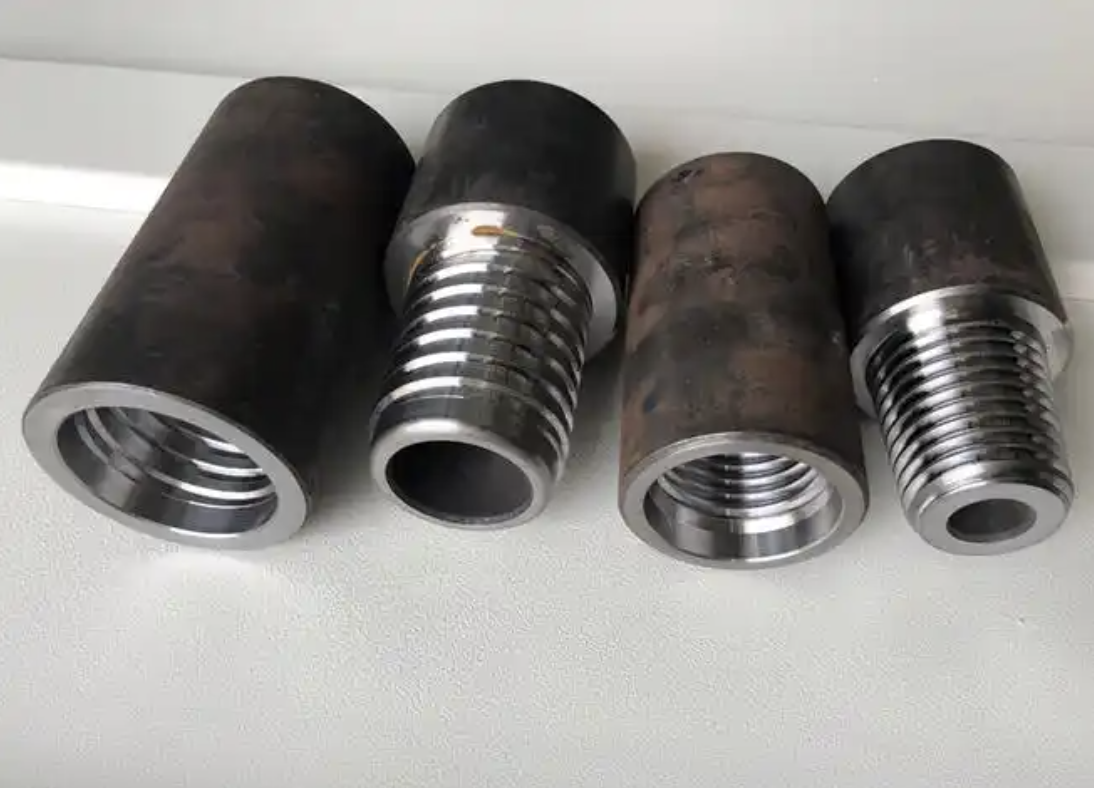
Cleaning and maintenance of drilling rod joints are critical to extending tool service life and preventing construction failures. Key precautions are as follows:
The cleaning and disassembly/assembly environment must meet cleanliness standards. Operations should be performed in a clean room compliant with national standards whenever possible. If conditions allow, the operating room should be pressurized so that indoor pressure remains higher than outdoor pressure, effectively preventing airborne dust contamination. Where site conditions are limited, the work area must be physically isolated. Joint disassembly and assembly must never be carried out in the same room as machining or fitting areas, and must not be performed outdoors, in temporary sheds, utility rooms, or warehouses. Operators must wear low-lint work clothes and caps to prevent fibers, dust, hair, and other debris from entering the drilling rod joints or hydraulic system. Smoking and eating are strictly prohibited in the work area.
Cleaning must be carried out on a dedicated cleaning bench, with a clean, debris-free surface. If a temporary bench must be used, it must be thoroughly cleaned in advance to prevent contaminants from adhering to joint surfaces.
Suitable cleaning fluids include kerosene, gasoline, or hydraulic oil of the same grade as the hydraulic system working fluid. This ensures effective cleaning while minimizing the risk of corrosion or material damage to the joints.
After cleaning, joints must not be wiped with cotton, linen, silk, or synthetic fabrics, as fiber shedding can contaminate the joints or any hydraulic system they contact later. If drying is required, use clean, dry compressed air to remove residual liquid and debris from joint surfaces.
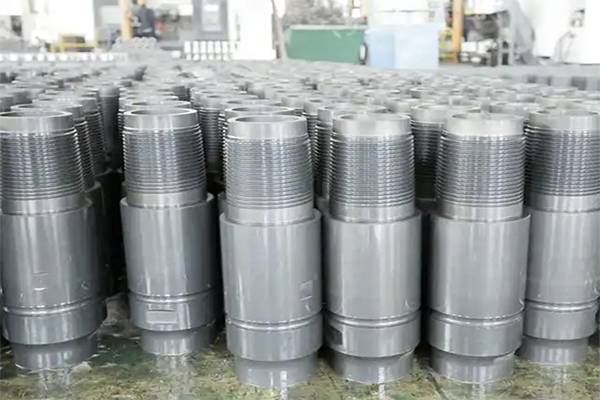
Cleaned drilling rod joints must not be placed directly on soil, concrete ground, ordinary flooring, fitting benches, or assembly benches. They should be stored in dedicated sealed containers filled with clean hydraulic oil to prevent secondary contamination.
Joints that have been cleaned but are not assembled immediately must be immersed in anti-rust oil for storage. In humid regions or rainy seasons, rust-prevention measures should be reinforced to prevent corrosion and oxidation that could affect subsequent performance.