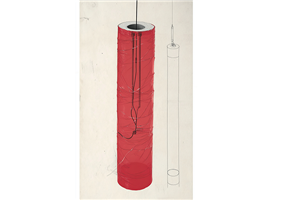
Reusable CO₂ Rock Fracturing Equipment: Applications and Project Limits
Reusable CO₂ Rock Fracturing Equipment: Applications and Project Limits
CO₂ rock fracturing is a method that project teams may consider for mining, foundation excavation and other rock-breaking work. It uses controlled gas expansion to apply force to a rock mass and help initiate or extend fractures.
Some system components may be reusable, depending on their design, condition and inspection results. Reuse does not mean that every component is permanent or suitable for unlimited cycles. Service life and replacement requirements should be confirmed against the documentation for the specific equipment.
Where CO₂ Rock Fracturing May Fit
Potential applications include open-pit mining, non-metal and metal mines, foundation pits, trenches, road construction and selected municipal projects. The method can be considered where conventional blasting is restricted or where contractors want to evaluate another approach to controlled excavation.
The source article makes an important qualification: CO₂ fracturing is a complementary option and cannot necessarily replace conventional blasting in every application. Large production requirements, hard or complex rock, equipment availability and project economics all affect the choice.
Geological Conditions Matter
Rock strength alone does not determine the result. Existing joints, faults, weathering, water ingress, free faces and the geometry of the excavation can influence how fractures develop and how efficiently material can be removed.
The source gives conflicting statements about underwater use. A decision on any wet, water-bearing or underwater project therefore requires review of the actual equipment specification, site conditions and local requirements; the article alone is not enough to establish suitability.
Assessing Total Project Cost
A project may be technically feasible but still not be economical. A complete comparison should consider:
Site preparation and supporting equipment
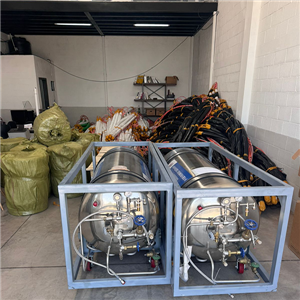
CO₂ supply, transport and storage
Labor and operator training
Component inspection, maintenance and replacement
Production rate and working schedule
Excavation, loading and material removal
Safety controls, supervision and permits
Yantai Gaea can discuss equipment options once the customer’s rock type, project volume, site access and production objectives are understood.
Safety and Regulatory Review
The source article includes broad claims that CO₂ fracturing has no vibration, flyrock or misfire risk and requires no approvals. Those claims should not be relied upon without independent verification. CO₂ systems involve pressure equipment and gas release; in enclosed or poorly ventilated spaces, CO₂ can create an asphyxiation hazard.
Transportation, storage, inspection, installation, operation and maintenance must be managed by trained and authorized personnel under manufacturer documentation, an approved site safety plan and applicable local regulations.
Choosing the Right Method
CO₂ fracturing, mechanical breaking, static splitting and conventional blasting each have different requirements and trade-offs. The most useful starting point is a site-specific engineering assessment that compares geological conditions, project constraints, safety obligations and total cost.