Rock Drill-rod water blockages solved! Three core techniques to eliminate failures at the root
On drilling sites, water blockages inside drill rods are a perennial headache: penetration rates suddenly fall, rigs spin idle and waste power, and if not fixed quickly the whole schedule slips and costs rise. The good news is this problem is largely preventable. Focus on three essentials — keep the flushing system unobstructed, standardize operating procedures, and maintain equipment properly — and you can eliminate most blockages before they start. Below are practical, field-proven techniques you can apply right away.
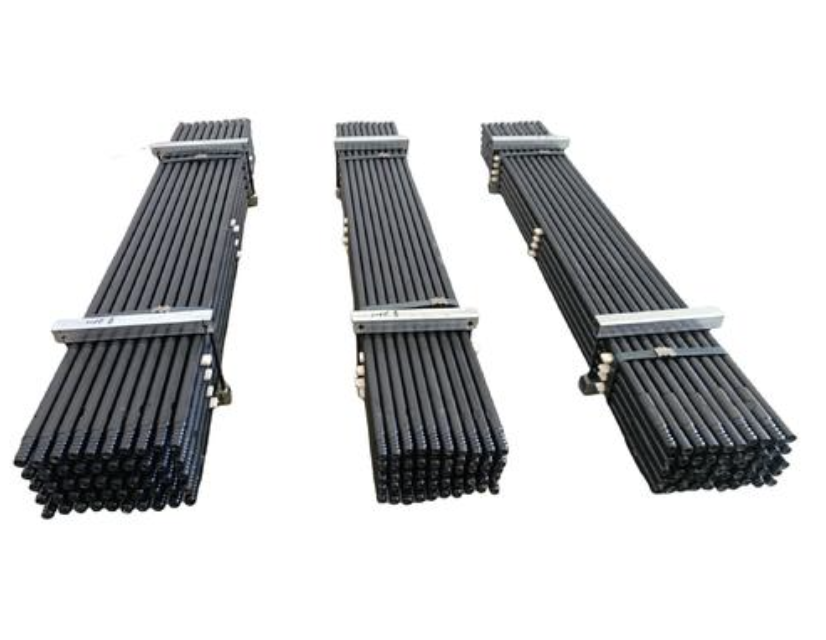
Overview: the three fundamentals Drill-rod water blockages occur when cuttings accumulate inside the rod or piping so that flushing water can’t reach the face. Preventing blockages means getting three things right: choose the right flushing medium and keep the lines clean; control feed rate and drilling parameters on the fly; and use and maintain reliable rods and joints. Each area has simple, actionable measures.
Optimize the flushing system — the main defense against blockages The flushing system’s job is to evacuate cuttings from the hole and rod. If it underperforms, cuttings pile up and blockage is inevitable. Two priorities here: pick the correct flushing medium and keep the piping in good order.
Flushing medium: match it to the rock
Hard, highly abrasive rock: cuttings are sharp and abrasive; plain water may not clear them and can accelerate rod wear. Use a dedicated flushing fluid with lubricating and carrying properties to protect the rod and clear cuttings effectively.
Softer rock: cuttings are fine and flow easily; ordinary water is usually sufficient and more economical.
Flushing piping: inspect and clean regularly
Treat the piping as a critical delivery system: check fittings for leaks and inspect inside lines for accumulated cuttings. Deal with any faults immediately.
Fit a pressure gauge and a flowmeter to monitor delivery. Keep an eye on pressure and flow stability; any sudden drop or fluctuation should trigger an inspection and adjustment to restore adequate flushing capacity.
Standardize drilling procedures — the operational keys to avoid blockages Many blockages result from improper operation. Pay attention to these two points during drilling.
Advance (feed) speed: avoid excessive speed, seek stability
Pushing too fast to save time often produces more cuttings than the flushing system can remove, causing accumulation inside the rod. Establish a baseline feed speed based on rock hardness and avoid blind speeding.
During drilling monitor cuttings evacuation and machine stability; adjust feed speed slightly as needed so cuttings are removed in real time.
Drilling parameters: adjust immediately when rock conditions change
Hard-to-soft transition: cuttings increase and flowability improves — reduce rotation speed and increase flushing volume so the extra cuttings are carried away.
Soft-to-hard transition: cuttings become more abrasive and may pack — raise rotation speed and maintain flushing pressure to keep the hole clean.
The rule of thumb: watch the feel of the drill and the character of the cuttings; change settings as soon as conditions shift rather than waiting for a blockage.
Carry out thorough equipment maintenance — remove hidden risk factors Even the best practices won’t help if rods or joints are defective. Focus maintenance on three items: choose quality drill rods, seal the joints, and perform pre-start checks.
Drill rods: buy quality and replace damaged units
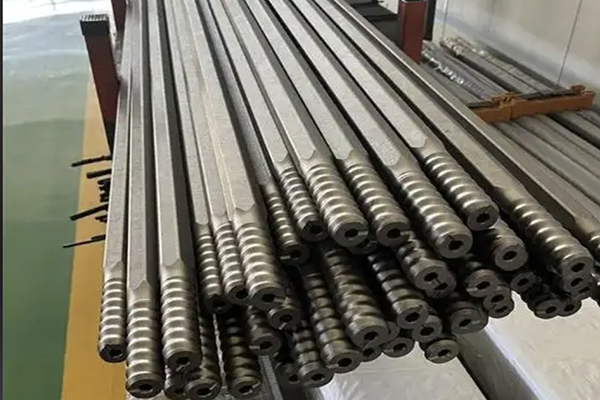
Cheap or nonconforming rods often have burrs, inconsistent bores, or cracks that trap cuttings and cause immediate blockage. Use rods with smooth inner bores, correct dimensions and no structural defects.
If a rod shows bending or inner-bore wear in the field, replace it rather than risk repeated clogging.
Joints: ensure tight seals and no leakage
Leaky joints reduce flushing pressure and prevent cuttings from being cleared. After each shift disassemble joints, clean sealing faces, and replace worn seals.
Monthly maintenance: remove rust from joint threads and apply anti-seize or light lubricant to keep threads tight and leak-free.
Pre-start check: do a flushing system health check every shift
Before drilling, run the flushing water alone and inspect the rod output: the flow should be even, pressurized and properly centered. Any spray diversion, weak flow or pulsation indicates a problem.
If flow is not smooth, clear lines with a high-pressure air gun or wire brush, fix the issue and only then begin drilling.
Conclusion: prevention is about attention to detail Drill-rod water blockage is not a terminal problem — it’s a preventable one. The approach is straightforward: choose the right flushing medium and keep lines clean; control feed speed and adapt parameters to changing rock; and use proper rods and keep joints sealed and maintained. Make these steps part of routine site practice, watch the small signs, and you’ll dramatically reduce—if not eliminate—drill-rod blockages, keeping drilling operations efficient and project schedules on track.