Rock Drill Shank Selection and Maintenance Guide | Yantai Gaea
Rock Drill Shank Selection and Maintenance Guide
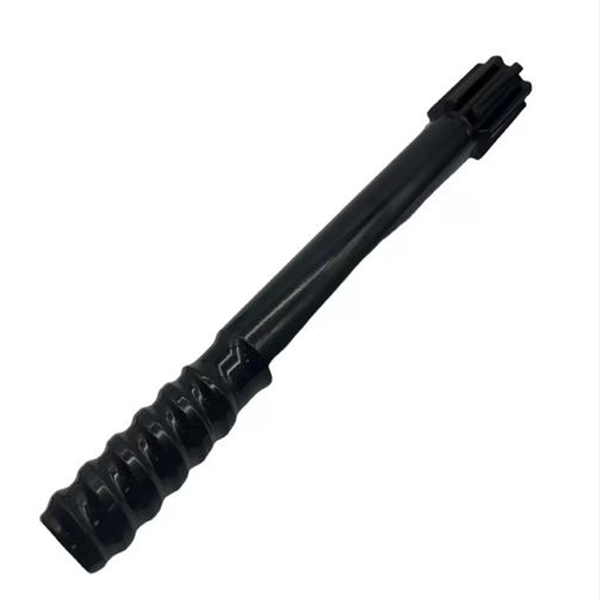
In top hammer drilling systems, the shank adapter connects the rock drill to the drill string. It transfers impact energy and rotation, while its internal flushing passage helps move water or air through the drilling system. Correct selection and maintenance can support stable drilling, reduce premature wear, and limit unplanned downtime.
Check Four Details Before Selecting a Shank
A reliable selection starts with confirming four items:
Rock drill model
Identify the exact machine model and configuration.Rear spline dimensions
The spline must match the drill’s drive system.Front thread specification
Confirm that the thread matches the connecting drill string components.Overall length
Verify the total length against the equipment and drilling setup.
The safest approach is to use the rock drill manufacturer’s spare parts catalog and match by part number or machine identification. Visual similarity or a familiar thread name alone is not enough to confirm compatibility.
Understand Differences Between Product Series
Shank adapters vary by thread system, spline design, dimensions, intended machine, and working conditions. Some product lines may use different materials or surface treatments for particular environments.
Buyers should compare the exact model, interface dimensions, intended application, spare parts documentation, and warranty terms. Product series and features associated with another manufacturer should not be assumed to apply to Yantai Gaea. Confirm Yantai Gaea’s current product range and compatibility information through its official catalog or written confirmation.
Recognize Common Wear and Damage
Common issues include impact face chipping, spline wear, thread fatigue, and erosion or cracking around the central flushing passage. These conditions may relate to impact loading, lubrication, alignment, corrosion, flushing media, or wear in associated components.
Diagnosis should consider the rock drill, operating history, and the full tool assembly. If inspection reveals cracks, spalling, deformation, or abnormal wear, assess the component against the manufacturer’s service limits before deciding whether it can remain in use.
Build Maintenance Into Daily Work
Before operation, inspect the bushing, impact face, splines, threads, and flushing passage according to the equipment manufacturer’s instructions. Apply lubrication where required, and address worn support components before continuing work.
Avoid prolonged impact without normal drilling load. Match the shank, rod, and bit according to their specifications and condition. Components that are bent, cracked, or significantly worn should not be paired with new parts simply to extend their use.
Use manufacturer approved tools and procedures for assembly and removal. Uncontrolled hammering can damage tapered surfaces, bits, or rods. Repair and regrinding should follow qualified service guidance, especially when the work could change heat treatment, geometry, or load capacity.
A tracking log for issue, use, inspection, repair, and retirement helps teams monitor component condition, plan replacements, and reduce unexpected downtime. Retire parts that meet the manufacturer’s discard criteria.
Verify Supplier Documentation
For any shank adapter under consideration, confirm model compatibility, dimensional information, material documentation, maintenance requirements, spare parts availability, and warranty coverage. These details should correspond to the exact product being purchased.
Yantai Gaea’s current shank adapter range, compatibility, materials, and warranty terms should be confirmed through official company documentation. This article does not verify that Yantai Gaea currently supplies any specific shank model.
Conclusion
Selecting and maintaining a rock drill shank depends on accurate equipment matching, routine inspection, proper handling, qualified repair, and timely replacement. Using manufacturer documentation and tracking component condition can help improve tool life and reduce avoidable downtime.