Rock Drilling Rig Buffer Pressure Too High? Three Steps to Diagnose and Prevent Failures
Is your rock drilling rig showing persistently high buffer pressure or unresponsive pressure control? This issue not only lowers drilling efficiency but can also overload the system, raise oil temperature, and—in severe cases—damage critical components, shortening equipment life and compromising safety. The following explains common fault scenarios, likely causes, and practical remedies.
Common fault scenarios and solutions
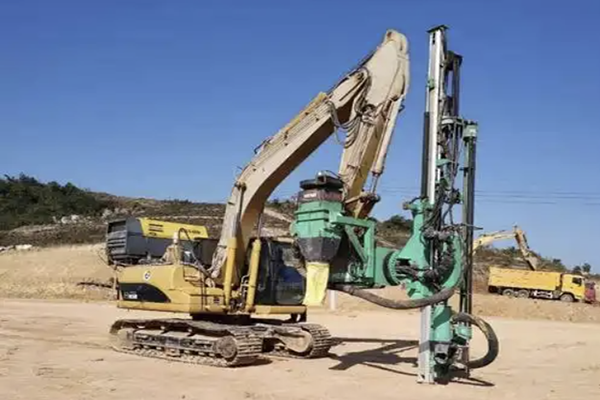
Scenario 1 — Pressure spikes during operation
Key symptom: The rig runs normally when idling, but buffer pressure climbs sharply and exceeds safe limits once drilling begins.
Targeted fix: Check the feed (advance) pressure setpoint. Reduce the feed pressure incrementally based on rock hardness while closely monitoring buffer pressure. If buffer pressure drops in step with feed-pressure reductions, the root cause is an excessively high feed setpoint. Set the feed pressure to a value appropriate for the rock hardness to restore normal behavior.
Scenario 2 — High pressure while idling
Key symptom: Buffer pressure is already significantly above normal (for example, over 4.5 MPa) while the rig is idling, indicating an internal system fault.
Targeted inspection and repair steps:
Inspect the main buffer-system piping for metal shavings, sludge, or debris that could be causing blockages—these are common sources of abnormal pressure.
Clean the hydraulic system: if blockages are found, perform a full hydraulic flush and replace hydraulic oil filter elements to prevent recurring contamination.
Service the buffer valve assembly: check for spring fatigue or failure and for damaged seals. These defects directly impair the valve’s pressure-control function; replace any worn or broken parts promptly.
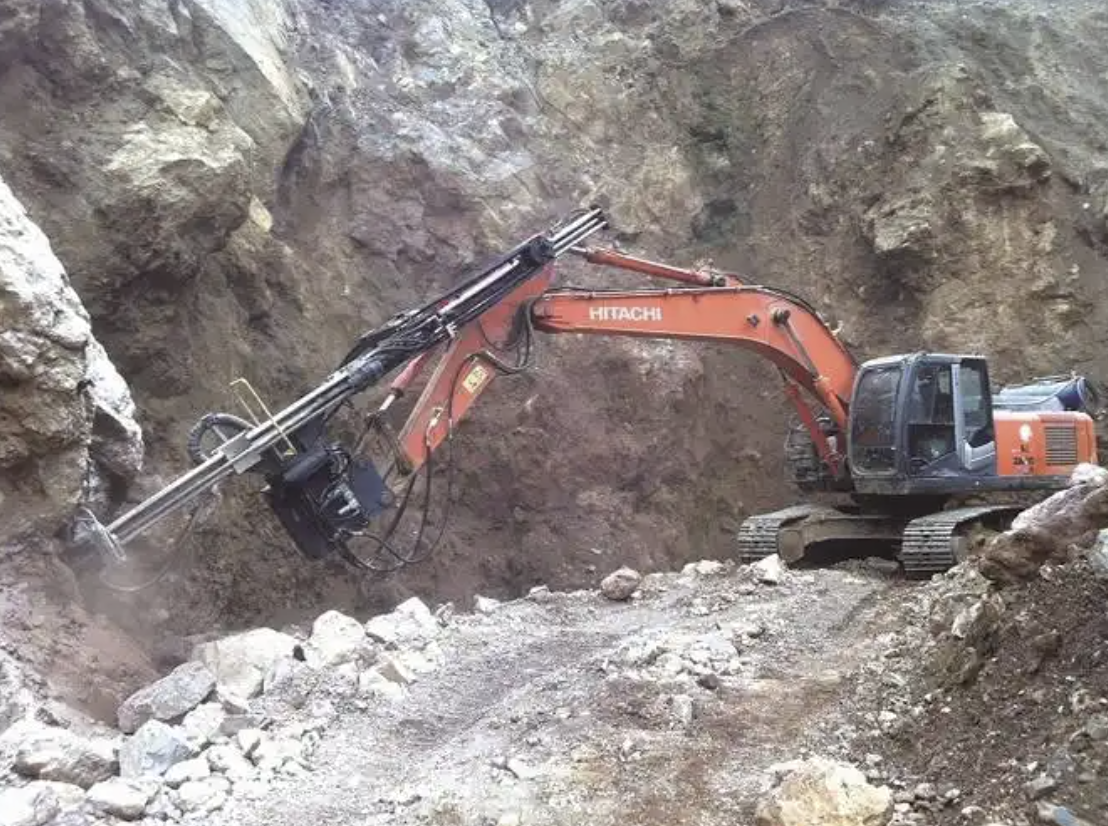
Critical safety warning and correct handling principles
Never perform impact drilling if buffer pressure is abnormal.
Proper handling procedure
Stop the rig immediately and fully release residual system pressure to avoid secondary damage to components.
Do not force the rig to start or repeatedly adjust control settings—such actions can worsen the fault and extend the damage.
Contact qualified service personnel to perform a full inspection using professional diagnostic equipment, accurately identify the root cause, and complete necessary repairs.