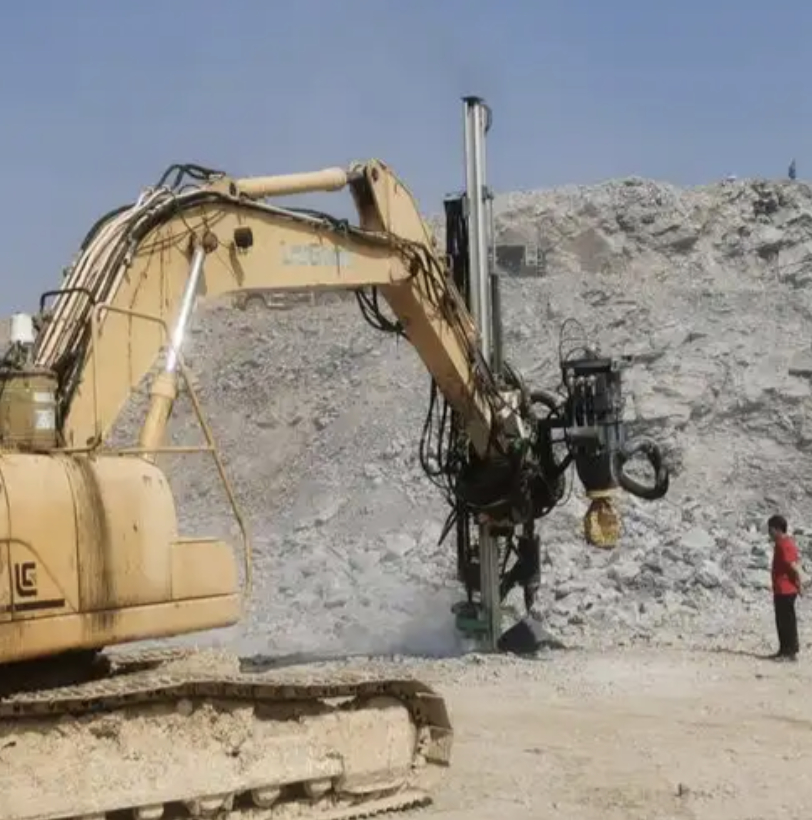
Rock Drilling Rig Impact Fault Quick Guide: 4 Common Problems and Fixes
In rock drilling operations, impact-system failures are one of the biggest productivity killers. They can show up as weak drilling and slow progress, complete loss of impact, or abnormal noises that may signal hidden damage.
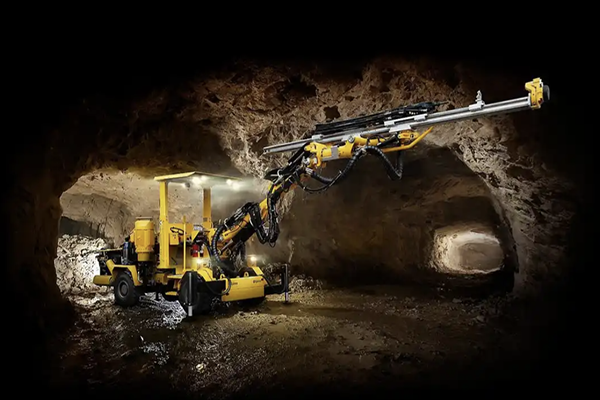
Below are four of the most common impact-related faults, with symptoms, root causes, and practical fixes you can troubleshoot yourself.
1) Weak Drilling Impact and Major Efficiency Loss
Symptoms: The impact pressure gauge in the cab fluctuates abnormally, hydraulic hoses on the feed boom vibrate heavily, drilling force is clearly reduced, and productivity drops sharply.
Root cause: Most commonly, insufficient nitrogen charge in the high- or low-pressure accumulator, or a damaged accumulator diaphragm.
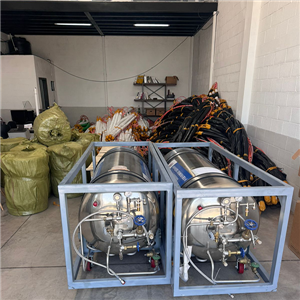
Solution: Inspect the accumulator diaphragm and replace it if damaged. If the diaphragm is intact, recharge the accumulator with nitrogen.
Important: If this issue is not handled in time, the accumulator end cap may crack, causing nitrogen leakage and increasing the risk of equipment damage.
2) No Impact During Drilling, While Rotation and Gauge Readings Look Normal
Symptoms: Rotation works normally, the impact pressure gauge appears normal, but there is no impact action and drilling cannot proceed.
Root cause: Usually one of two cases:
The impact shutoff valve in the rear end cover sticks due to hydraulic oil contamination, preventing impact activation.
After sticking, excessive pressure causes the impact shutoff valve to fracture.
Solution:
If sticking is the issue, clean the impact shutoff valve thoroughly.
If fractured, replace the valve directly.
3) “Clicking” Sound During Impact but No Effective Striking
Symptoms: Rotation and impact pressure readings are normal, but impact performance is ineffective, and a repeated clicking noise is heard during impact.
Root cause: The main issue is usually in the impact piston, including fracture or sticking, or sticking of the impact guide piston. Three often-overlooked contributing factors are:
Uneven torque causing impact piston eccentricity.
Delayed maintenance leading to severe wear of the front copper bushing and internal copper spline sleeve in the drill head.
Insufficient air lubrication allowing debris to enter and score the impact piston.
Solution: Check the condition of the impact piston and guide piston; replace if fractured, clean if sticking. Also verify torque uniformity, replace worn copper bushings and copper spline sleeves promptly, and restore proper air lubrication to prevent foreign material ingress.
4) Difficult Collar Positioning in Low-Impact Mode with Almost No Feed Force
Symptoms: In low-impact mode during collaring, operation is difficult and the rig has almost no feed force, making it hard to start the hole.
Root cause: The most common cause is a damaged shank ring. If shank rings fail repeatedly, likely causes are excessive low-impact pressure and severe copper bushing wear, which increases clearance and misaligns the shank.
Solution: First replace the damaged shank ring. If failures are frequent, inspect bushing dimensions and wear condition, replace worn bushings, and adjust low-impact pressure to an appropriate range.