Rock Drilling Tool Failure Analysis and Best Practices for Longer Service Life
Rock drilling tools work in one of the toughest mechanical environments in mining, tunneling, quarrying, and construction. Drill bits, drill rods, shank adapters, and couplings must transfer repeated impact energy while rotating under load and operating in abrasive rock, dust, water, and vibration.
Because these tools are consumable components, wear is expected. However, premature failure is different from normal wear. Carbide button loss, broken bit bodies, thread damage, rod fracture, and early fatigue cracking can stop drilling long before the tool reaches its expected service life.
A practical drilling-tool strategy should focus on two goals: identifying the real cause of failure and improving the complete drilling system. Tool life depends on design, material quality, manufacturing process, tool selection, operating parameters, maintenance, and operator practice.
Common Drill Bit Failure Modes
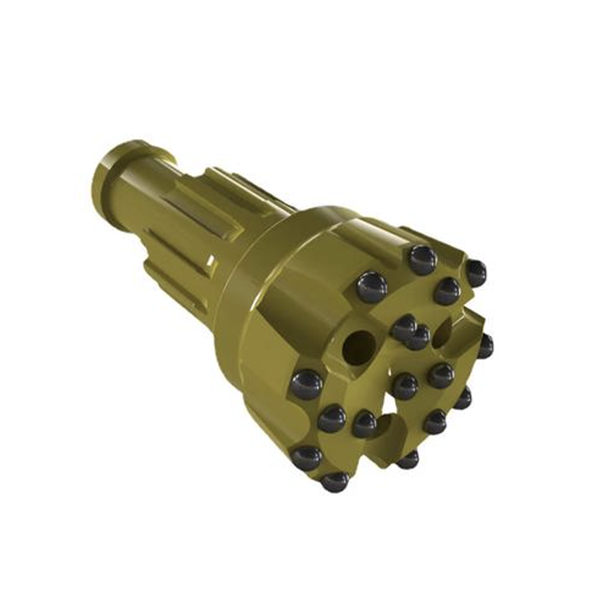
Drill bit failures are often divided into normal wear and abnormal damage. Normal wear occurs gradually as the bit contacts rock and drilling cuttings. Abnormal damage includes broken carbide inserts, lost buttons, fractured bit bodies, cracked blades, and damaged connections.
For blade-type bits, thin cutting wings can wear quickly and lose geometric stability. As radial wear increases, the hole may become out of round, rotation resistance can change, and cutting efficiency can decline. If the steel body does not provide enough support for carbide inserts, insert loss may also occur.
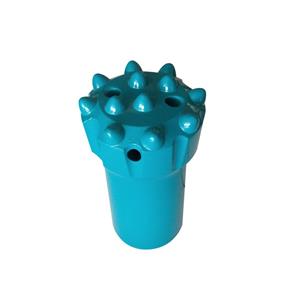
Button bits have different failure patterns. Common examples include edge-button loss, broken edge buttons, cracked buttons, body cracking, “head loss,” and fracture around high-stress areas. Edge buttons are especially vulnerable because they often experience uneven loading and high lateral stress.
As repeated impacts continue, the material around the button hole may deform plastically. The hole can gradually become enlarged or flared, reducing the holding force on the carbide button. If the button-hole interference fit is too small, the bit-body hardness is too low, or the button installation process is inconsistent, button retention can decline and eventually cause button loss.
Brazing, braze-alloy quality, surface preparation, heating control, and operating method can also influence carbide retention. A carbide insert is not secured by one factor alone. It depends on the interaction of insert geometry, pocket design, steel-body support, joining method, and drilling conditions.
Bit Body Fracture and Fatigue
Bit-body fracture is often a fatigue problem. Repeated impact and rotation produce cyclic stress, especially near changes in geometry. Typical high-risk areas include the transition between the shank end and skirt, the bottom of button holes, and locations with sharp corners or abrupt section changes.
Fatigue cracks usually begin at a weakness. This may be a machining mark, sharp internal corner, local heat-treatment variation, corrosion pit, material inclusion, or impact damage from incorrect handling. Once a crack starts, repeated drilling cycles can cause it to grow until the bit body fractures.
Good bit design reduces stress concentration. Smooth transitions, adequate wall thickness, appropriate fillet radii, and balanced button placement all help distribute force more evenly. Manufacturing must also avoid rough surface defects, improper heat treatment, and insufficient corrosion protection.
Field operation matters just as much. Eccentric drilling, poor shank-to-bit contact, excessive feed force, and striking tools with hammers can introduce damage that accelerates fatigue failure.
Drill Rod Failure Modes
A drill rod is exposed to combined impact stress, bending stress, torsional stress, and corrosion-related stress. It must therefore provide high fatigue strength, impact toughness, wear resistance, and resistance to crack growth.
The most common drill rod failure is fracture. Fatigue fractures develop over repeated cycles and often begin at a local defect. Potential initiation points include non-metallic inclusions, porosity, white spots, surface damage, decarburization, corrosion pits, thread wear, and poor heat treatment.
A brittle fracture can occur more suddenly. It may appear as a bright crystalline fracture surface with little sign of prior fatigue growth. Brittle failure is often associated with a severe local defect, excessive hardness, unfavorable residual stress, abrupt section changes, forging defects, or unsuitable heat-treatment conditions.
Thread wear is another major issue. Loose or damaged threads reduce energy transfer and create movement at the connection. This can increase impact loading, promote fatigue cracks, and make coupling or uncoupling difficult. Regular thread inspection and correct lubrication are essential.
Shank-end failure can also result from incorrect hardness. A shank end that is too soft may deform or mushroom. A section that is too hard may crack or break under impact. The heat-treatment profile must be designed for the specific drill system and operating load.
Improve Tool Life Through Better Design
Longer tool life starts with correct structural design. For button bits, the size, shape, projection height, and placement of carbide buttons should match the rock condition and drilling application. Edge buttons need sufficient support because they experience severe lateral and eccentric loads.
Reducing excessive edge-button inclination can improve load distribution and impact resistance. Correct interference fit, appropriate button-hole quality, and stronger bit-body support can improve button retention.
Flushing design is equally important. Effective flushing removes cuttings from the hole bottom and reduces regrinding. A good flushing system helps lower energy consumption, reduce bit temperature, and slow abrasive wear. When cuttings are not removed efficiently, the bit must repeatedly crush already-broken material, increasing wear on both the steel body and carbide inserts.
Drill rod design should also support long service life. Accurate threads, suitable thread geometry, controlled surface hardening, and good straightness all help reduce connection damage and fatigue risk. Rolling or other controlled forming methods may improve surface condition in selected areas, but the final process must be validated for the specific product.
Material and Manufacturing Quality
Material selection must balance toughness, wear resistance, fatigue strength, corrosion resistance, and carbide-holding ability. Drill steel and bit-body steel should be selected for the intended heat treatment and rock drilling conditions.
The source article lists several historical steel grades and performance references. These figures should not be treated as universal specifications. Modern material selection should be based on qualified engineering data, supplier capability, required tool geometry, drilling conditions, and applicable standards.
Manufacturing quality is equally important. Heat treatment must be controlled to avoid excessive decarburization, uneven hardness, quench cracking, or unfavorable residual stress. For brazed bits, heating equipment should allow consistent temperature control and minimize oxidation. The steel body and carbide insert surfaces must be cleaned before joining.
For button bits, hot insertion may offer stable button retention in many medium- and large-diameter applications when the process is properly controlled. Cold insertion can also be effective, but it requires accurate hole machining, good surface finish, proper interference, and reliable installation control.
Correct Drilling Practices
Even a well-designed tool can fail early if used incorrectly. Operators should follow several basic practices:
Start collaring with controlled feed and allow the bit to seat before full drilling power is applied.
Keep the drill rod, coupling, and shank adapter aligned and fully engaged.
Maintain adequate flushing to remove cuttings and cool the bit.
Avoid dry drilling when the tool and application require flushing.
Inspect tools regularly for wear, cracks, loose buttons, damaged threads, and corrosion.
Regrind worn carbide before serious damage develops.
Do not remove bits by striking them with a hand hammer; use suitable removal tools.
When a tool becomes stuck, avoid impact abuse. Use controlled flushing and careful feed-and-retract movement in accordance with the rig manufacturer’s safe operating procedure.
Replace worn or damaged drill-string components before they damage other parts of the system.
Conclusion
Rock drilling tool failure is usually the result of interacting factors rather than a single defect. Bit-body cracking, carbide loss, drill rod fracture, and thread wear can be influenced by design, material, heat treatment, manufacturing quality, drilling conditions, and operation.
The most reliable route to longer service life is a system approach: select the correct tool for the rock and rig, use controlled manufacturing processes, maintain proper drilling parameters, inspect components regularly, and train operators to avoid damaging practices. This improves penetration consistency, reduces downtime, and lowers total drilling cost per meter.