Rock Drilling Tool Operation: Practices That Extend Bit and Rod Life
Rock drilling tool life depends on more than material quality. A high-quality shank adaptor, coupling, drill rod and bit can still fail early if the drilling process is poorly controlled. Correct operating practice protects the entire tool string, improves penetration performance and reduces the cost of drilling and blasting.
For heavy guide-rail drills, hydraulic jumbos and other high-power rock drills, the tool string must transfer impact energy, rotation and feed force while resisting bending, thread wear, vibration and sudden overload. The following practices help extend the service life of drilling tools and maintain stable production.
Start the Hole Gradually
Collaring is one of the most important stages in drilling. At the beginning of a hole, the bit has not yet been guided by the rock. Excessive feed or full impact energy can cause the bit to slip, bounce or strike the rock face unevenly.
A controlled collaring procedure helps establish a straight hole and protects the bit. Begin with appropriate flushing and moderate feed. Once the bit is fully seated and the hole is properly established, drilling parameters can be increased to the normal operating level.
Aggressive starts can create high local stress in the bit, carbide buttons, shank and rod connections. They can also generate heat if flushing is insufficient. The result may be chipped carbide, cracked inserts, damaged threads or early rod failure.
Keep the Drill String Aligned
Misalignment is a major cause of unnecessary drilling-tool damage. The shank adaptor, coupling and drill rod should be concentric before drilling begins. If the feed beam, boom or drill carriage shifts during operation, alignment should be checked before connecting another rod.
Forcing a rod into a misaligned coupling can damage threads or create bending stress at the connection. A thread may engage only partially, and the impact and rotation that follow can break the coupling, shank or rod near the thread root.
Before adding a rod, inspect the thread condition, coupling position and connection alignment. If the connection does not engage smoothly, identify the cause rather than forcing it. Proper alignment takes little time compared with recovering from a broken drill string.
Handle Stuck Drill Steel Carefully
Stuck steel can occur in fractured rock, cavities, loose material or poor flushing conditions. It is a common drilling problem, but improvised forceful recovery methods can turn a manageable issue into a major tool loss.
Do not strike the drill string with another rod or apply uncontrolled pulling force. Such actions can crack couplings, damage threads or break the shank and rod. Instead, use the manufacturer’s recommended recovery procedure for the drill model and site conditions.
In general, recovery should focus on reducing binding, maintaining appropriate flushing and applying controlled rotation and feed adjustments. If the drill string cannot be recovered safely, follow the site’s established stuck-tool procedure. The correct response protects operators, equipment and the hole.
Remove Rods Without Damaging Threads
Thread connections can seize after drilling due to impact, heat, dust and high contact pressure. Before breaking a connection, allow the drill string to loosen according to the machine’s operating method. A controlled rotation or vibration sequence can help release the threads.
Forcing a tightly loaded connection in reverse can damage the shank adaptor, coupling or rod. Thread damage reduces energy transfer and creates stress concentrations that shorten fatigue life.
Keep thread connections clean. Rock dust, drilling fines and corrosion can accelerate wear and make disassembly more difficult. Use the correct thread lubricant when specified by the equipment manufacturer, and replace couplings or rods when thread profiles become worn.
Maintain Effective Flushing
Flushing has several roles: it cools the bit, removes cuttings from the hole and prevents crushed rock from being reground. In soft, weak or highly fractured formations, fines can mix with water and form a paste-like material around the drill string. This can make the tool difficult to withdraw and increase the risk of sticking.
Adequate water or air flow helps transport cuttings out of the hole. The required setting depends on the drill method, rock condition, hole depth and bit design. If cuttings are not leaving the hole effectively, operators should check the flushing system rather than continuing to force the drill.
Poor flushing can cause excessive bit wear, reduced penetration rate, unstable drilling and additional stress throughout the tool string.
Grind Bits Before Wear Becomes Severe
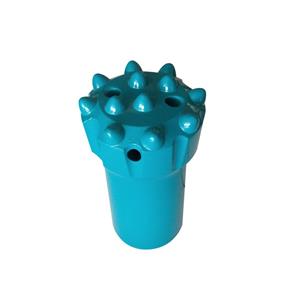
Bit maintenance is an essential part of drilling-tool management. Carbide buttons and inserts should be reground before they become excessively flat, cracked or worn out of gauge. Timely grinding restores the cutting profile, improves penetration and reduces stress in the rod and coupling system.
A sharp bit breaks rock more efficiently. A dull bit increases rock resistance, which can lower penetration rate and raise vibration. This added load affects not only the bit but every part of the drilling system.
Operators should inspect bits regularly for:
Flattened buttons or worn cutting edges.
Gauge loss.
Cracks, “snake-skin” patterns or carbide damage.
Broken buttons.
Excessive steel-body wear around the carbide.
Blocked or damaged flushing holes.
Grinding intervals should be based on rock abrasiveness, bit type, drilling performance and inspection results. A scheduled maintenance approach is more economical than waiting until the bit has suffered major damage.
Treat the Drill System as One Unit
The best drilling results come from matching equipment, tool selection and operating practice. Bit type, rod size, thread system, drill power, feed force, rotation and flushing must suit the rock conditions and the drilling task.
Good operating habits reduce preventable failures. Gradual collaring, accurate alignment, controlled stuck-steel recovery, careful thread handling, effective flushing and timely grinding all contribute to longer drilling-tool life.
For mining and construction teams, these practices improve more than consumable life. They help maintain penetration rate, reduce downtime, protect expensive drilling equipment and lower total cost per drilled meter.