Starting a Quarry? Avoid These Common Project Pitfalls
A quarry project is not simply about finding quality stone, purchasing equipment, and starting production. Strong aggregate demand can make quarrying look attractive, but successful development depends on land compliance, permits, environmental controls, community coordination, safety investment, and realistic financial planning.
1. Check Land-Use Restrictions First
High-quality reserves have little value if the proposed site lies within an ecological protection area, drinking-water source protection zone, public forest, or protected farmland. Required separation distances from villages, schools, roads, and power infrastructure can also determine whether a project is viable.
Before spending on equipment or construction, investors should complete site due diligence and confirm land status with the relevant authorities.
2. A Mining Licence Is Not a Full Construction Approval
A mining licence authorises resource rights. It does not automatically permit construction or production.
A quarry may still require approvals for forestry land use, environmental impact assessment, soil and water conservation, ecological restoration, safety systems, and site construction. Starting facilities or purchasing major equipment before these approvals are complete can lock capital into a project that cannot begin production.
3. Budget for Forestry Approval and Community Coordination
Where the project area involves forest land, the appropriate forestry approval is essential. Operating before approval can create serious compliance risk.
Quarries also affect nearby communities through dust, noise, traffic, land compensation, and environmental expectations. Even a fully permitted project can face delays if communication with local stakeholders is poor. A realistic budget should include these costs from the beginning.
4. Do Not Underfund Safety and Environmental Controls
Excavators, drills, crushers, and processing equipment are visible investments, but safety and environmental systems are equally important. Dust suppression, wastewater treatment, waste-dump stability, slope protection, rehabilitation, qualified personnel, worker training, and insurance are fundamental operational requirements.
A project that cuts these investments may fail inspections, be unable to obtain a safety production licence, or face penalties and shutdowns.
5. Build the Decision Around Full Risk Assessment
The strongest quarry investment decisions are based on verified land conditions, current regulations, funding needs, environmental obligations, stakeholder coordination, and long-term rehabilitation responsibilities. Local rules vary, so final decisions should always follow the latest requirements of competent authorities and qualified professionals.
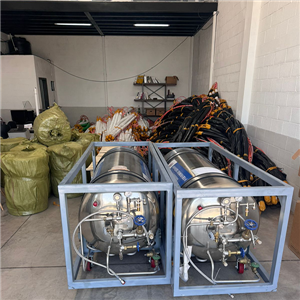
For sensitive rock-breaking conditions, project teams may also evaluate the Gaea Rock O2 Gas Energy Rock Splitting System. It uses liquid-oxygen phase-change energy rather than conventional explosive formulations, subject to site-specific engineering, training, and regulatory compliance.