Static Demolition for Reinforced Concrete Structures
Static Demolition for Reinforced Concrete Structures
Static demolition is a controlled method for breaking concrete and reinforced-concrete structures without conventional explosive blasting. It is often considered in urban environments where nearby buildings, pedestrians, utilities, and precision equipment make vibration, flying debris, dust, and noise major concerns.
The source article explains that even controlled explosive blasting may not fully eliminate vibration, shock, or flying-rock risks. When structures are extremely close to adjacent buildings, static demolition can offer an alternative approach.
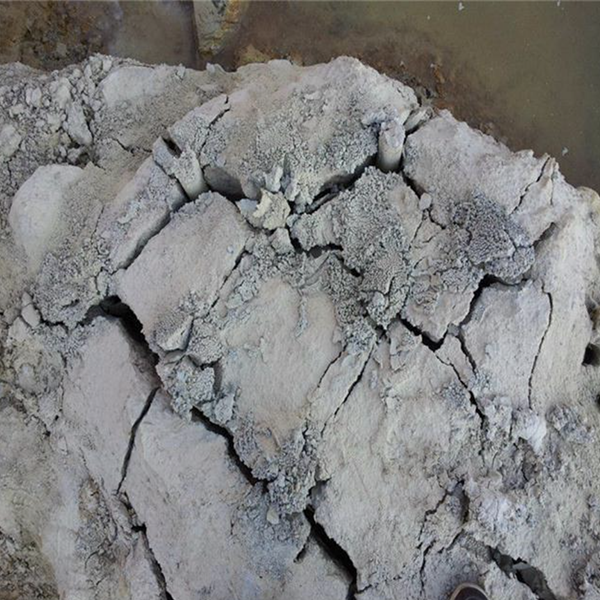
Static demolition commonly uses expansive agents or hydraulic splitting equipment placed in pre-drilled holes. The material or tool creates internal pressure that cracks concrete along a planned direction. This allows contractors to remove designated sections while reducing disturbance to adjacent structures.
The article identifies four claimed advantages: environmental performance, safety, economy, and simple execution. Actual benefits depend on project conditions, hole layout, material strength, reinforcement configuration, operator skill, waste-handling needs, and the required demolition rate.
For reinforced-concrete demolition, planning should include a structural survey, utility isolation, temporary support requirements, a drilling pattern, exclusion zones, dust control, and an emergency plan. The work method should be verified through a controlled trial area before full-scale removal begins.
Static demolition can be particularly valuable for building foundations, retaining structures, equipment bases, tunnels, bridges, and confined urban sites. It should be selected through professional engineering assessment and compliance with local construction, safety, and environmental requirements.