Static Rock Breaking for Highway Tunnel Construction
Static Rock Breaking for Highway Tunnel Construction
Highway tunnel construction often requires controlled rock excavation in confined spaces. Traditional blasting can create noise, vibration, dust, and community concerns, especially where tunnels are close to residential areas or environmentally sensitive zones.
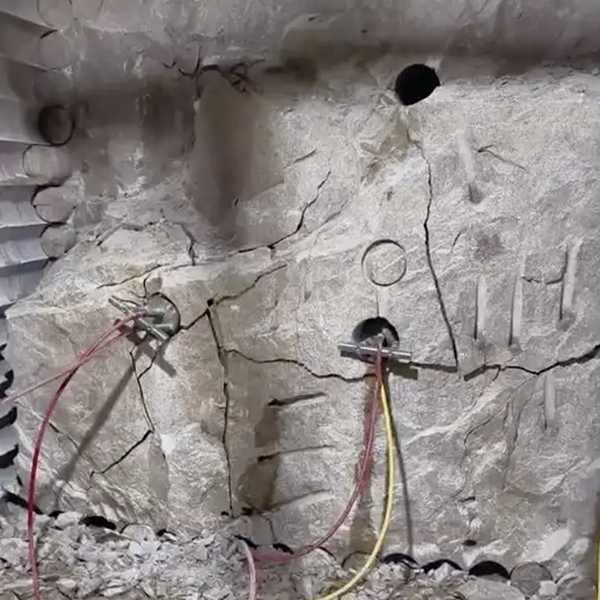
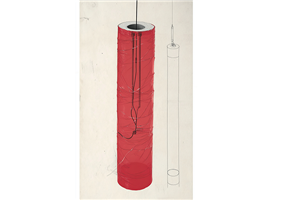
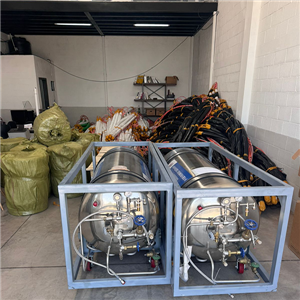
Static rock breaking provides a non-explosive alternative for selected tunnel projects. The method uses controlled internal pressure, typically through expansive agents or hydraulic splitting equipment, to crack rock along a planned direction.
The source article highlights reduced noise as a key benefit. Lower noise can help reduce disruption to nearby residents, lessen complaints, and support projects that face strict environmental restrictions. However, actual noise, vibration, production rate, and fragmentation results must be evaluated through site-specific testing.
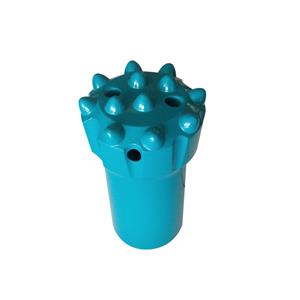
Tunnel contractors should begin with a geological assessment. Rock strength, joints, groundwater, tunnel profile, free-face conditions, drilling accuracy, and support requirements all affect the choice of breaking method. Borehole design must be coordinated with the excavation sequence and the tunnel’s structural-support plan.
Static rock breaking can be useful for trimming, controlled enlargement, local rock removal, and areas where conventional explosive blasting is restricted. It still requires trained operators, exclusion zones, ventilation planning, equipment inspection, and compliance with tunnel safety procedures.
A field trial is recommended before full deployment. It can verify drilling parameters, crack direction, cycle time, secondary-breaking needs, and cost per cubic metre. With proper engineering design, static rock breaking can support safer and more controlled highway tunnel excavation.