Tapered Drill Steel Management: Stop Running Worn Tools and Start Controlling Drilling Costs
On a small drilling site, tapered drill steel often looks like a minor consumable. A rod bends a little. A bit skirt has a small crack. The taper feels loose, but the crew still has a few holes left to drill.
So the tool stays in service.
That decision is where costs start to drift. A worn tapered drill rod does not just risk breaking itself. It can damage a new bit, reduce penetration rate, increase operator fatigue, and stop the job when the crew can least afford it.
Good drill steel management is not complicated. It comes down to correct matching, clean assembly, disciplined inspection, and knowing when a tool has reached the end of its useful life.
Start with the rock drill, not the drill bit
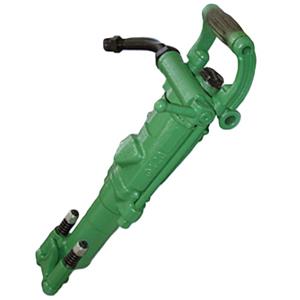
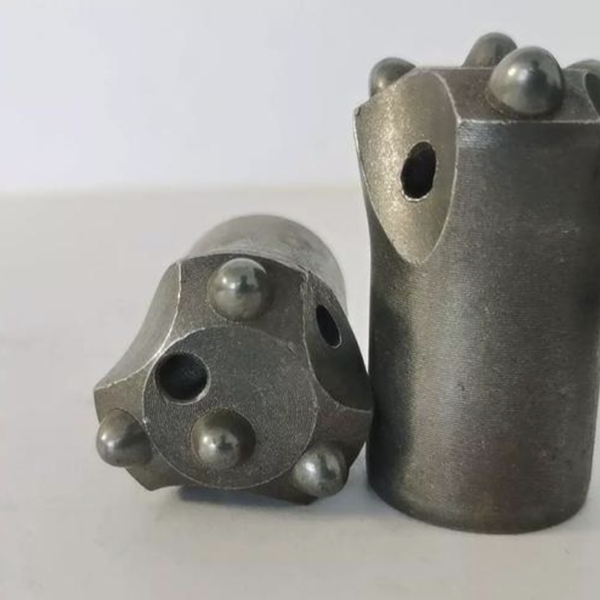
Tapered drill steel is widely used with handheld rock drills and small drilling equipment. Its simple taper connection makes it practical for construction, quarrying, roadwork, and smaller mining operations.
But the connection only works properly when the complete system is in good condition.
Before each shift, inspect the rock drill itself. Pay close attention to the guide bushing. A heavily worn, aged, or deformed bushing allows the drill steel to move excessively during drilling. That movement increases bending stress and can cause premature rod failure.
A damaged bushing should be replaced with the proper tool. Continuing to operate with a worn bushing is not a cost-saving measure. It shifts the cost to drill rods, bits, and lost time.
Do not mix damaged rods with new bits
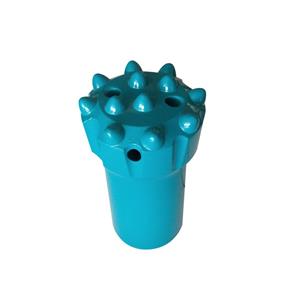
A new tapered drill bit installed on a cracked, bent, or badly worn rod may look like a quick way to use remaining inventory. In practice, it creates uneven loading across the taper connection.
The result can be:
Poor contact between the rod and bit
Reduced impact-energy transfer
Faster taper wear
Cracked bit skirts
Rod fracture
Unstable drilling performance
Inspect the rod body, shank end, and taper before assembly. Remove damaged or visibly deformed tools from service. The bit and rod should be matched as a working pair, not assembled from whatever happens to be nearby.
Use proper tools when removing tapered drill bits
The taper connection is strong, but it is not designed for violent removal.
Use the correct bit-removal tool and follow the normal removal procedure. Avoid striking the bit or rod with uncontrolled force.
Rough handling can crack the bit skirt, deform the taper contact surface, and weaken the rod. A tool may still appear usable after a hard blow, but hidden damage often shows up later as a sudden failure.
A small amount of time spent on correct assembly and removal is cheaper than replacing an entire drill string.
Regrinding needs precision, not improvisation
Tapered drill steel can sometimes be restored through controlled regrinding, but the work must respect the original geometry.
Do not apply unauthorized heat treatment or hardening to the taper section. Heating can alter the material properties and create new stress points. A rod that looks repaired may fail under impact loading.
During taper regrinding, the diameter, taper angle, and contact surface must be controlled accurately. Poor machining can leave gaps between the rod and bit. Those gaps reduce drilling efficiency and can quickly damage a new bit.
Unauthorized modification, non-standard repair, or poor machining also creates a warranty problem. More importantly, it makes tool performance unpredictable in the field.
Track tools through their full working life
The best maintenance systems are often simple.
Keep a basic record for each batch of tapered drill steel:
Issue date
Working location
Rock conditions
Drill model
Bit type and size
Regrinding history
Damage observed
Disposal date and reason
This does not need to become paperwork for its own sake. The record helps identify patterns. If rods repeatedly fail near the shank, check the rock drill and guide bushing. If tapers wear too quickly, inspect bit matching and removal practices. If a particular rock type destroys buttons early, adjust the bit selection.
Without records, every failure looks random. With records, the real cause often becomes visible.
Stop immediately when these signs appear
Do not keep drilling with a tool that shows obvious warning signs.
Remove the drill steel from service when you find:
Shank-end damage or failure
A bent rod body
Severe taper wear
Cracks in the rod or bit skirt
Unusual drilling noise
Sudden changes in penetration rate
A loose or poorly fitting bit connection
A damaged tool can turn a manageable maintenance job into a broken rod inside the hole, a damaged drill, or an operator safety incident.
Manage inventory as carefully as the tools
Excessive inventory ties up money and can leave old stock sitting in poor conditions. Instead, keep a practical supply of matched rods and bits for the machines and rock conditions actually used on site.
Tapered drill steel remains a cost-effective drilling solution when it is used correctly. The savings do not come from running every tool until it fails. They come from avoiding preventable damage, maintaining proper fit, and replacing tools before one failure causes several more.
Gaea Rock supplies tapered drill steel, tapered button bits, shank adapters, drill rods, and related rock-drilling tools. Selecting the right taper, bit design, and rod length for the rock and equipment helps protect both drilling productivity and operating cost.