Five Maintenance Practices to Extend Tapered Drill Tool Life
Five Maintenance Practices to Extend Tapered Drill Tool Life
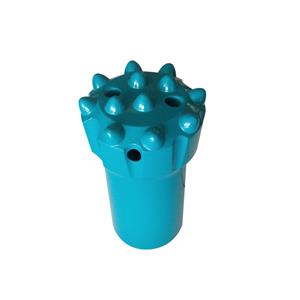
Tapered drill tools are wear components used in rock drilling. Their service life depends on product quality, equipment condition, correct pairing, handling, repair practices, and timely replacement. A consistent maintenance process can help reduce avoidable damage, downtime, and replacement costs.
1. Inspect the equipment bushing before work
A worn or deformed bushing can affect how a drill tool is supported and may contribute to abnormal wear or damage. Before starting work, inspect the bushing and related components according to the drilling equipment manufacturer’s instructions.
If a component falls outside its maintenance limits, have authorized personnel address it before continuing. Operating with worn equipment can increase tool wear and interrupt work.
2. Check that rods and bits are properly matched
Drill rods and bits need to be compatible and in serviceable condition. Cracks, bending, excessive wear, or mismatched components can affect force transfer and drilling stability.
Replace components according to inspection results and manufacturer guidance. Avoid combining parts with unknown condition or visible damage simply to extend their use.
3. Use suitable tools and methods for assembly and removal
Assembly and removal should follow the equipment manufacturer’s approved method and use suitable tools. Forceful or uncontrolled removal can damage the bit, tapered surfaces, or rod, which may increase repair costs and downtime.
Personnel should be trained in the correct process. Use of improvised impact methods can turn a routine maintenance task into a source of equipment damage.
4. Follow approved repair procedures
Whether a worn tool can be repaired, and how it should be repaired, depends on manufacturer documentation and qualified service guidance. Unauthorized changes to heat treatment or geometry can affect fit, strength, and drilling performance.
Before repair, confirm the approved process, inspection criteria, and any warranty terms that apply. Keep records of repair work and the people or service provider who performed it.
5. Retire damaged or worn tools on time
Tools showing significant bending, cracking, abnormal wear, or poor fit should be assessed against established inspection criteria. Continuing to use a tool beyond its service limits can increase the chance of equipment failure and create additional worksite risks.
A tracking system for issue, use, repair, and retirement helps teams monitor tool condition, plan purchases, and reduce unexpected downtime.
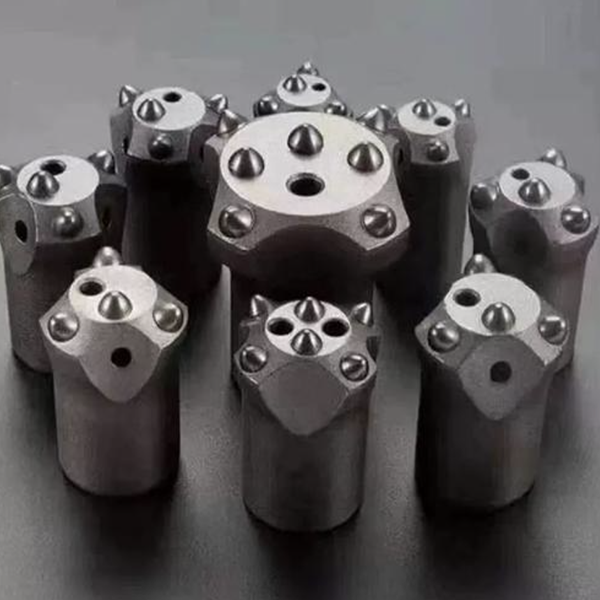
Manage the full tool lifecycle
Good storage, routine inspection, timely repair, and planned replacement all contribute to better tool use and cost control. Maintenance procedures should follow the tool manufacturer’s instructions, the drilling equipment documentation, and the site’s safety rules.
Yantai Gaea’s product range and warranty terms should be confirmed through official company documentation. Replacing a supplier’s name in source material does not verify that the source article’s products or warranty statements apply to Yantai Gaea.