Technical Response Procedures and Field Practices for Stuck-Drillstring Incidents
Stuck drillstrings are a common threat to efficiency and equipment safety in geological drilling and oil-and-gas operations. A stuck condition occurs when the drilling assembly becomes immobilized by formation, cuttings, or debris and cannot be tripped. Severe cases can lead to the loss of the toolstring or even the borehole. Handling severe stucks requires precise, staged operations. Based on field experience, the following summarizes three core remediation methods, practical steps, and key precautions.
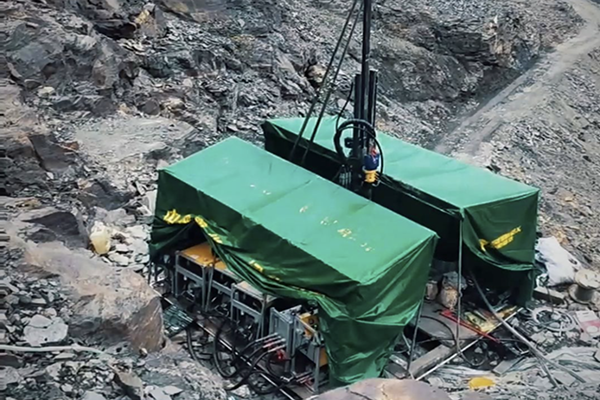
High‑pressure jetting: the primary physical unblock High‑pressure jetting is the basic first response. It uses hydraulic impact and flow to disperse the blockage and loosen adhesion between the bit/pipe and the formation. Key operating points:
Fluid selection: if the formation is water‑sensitive (e.g., mudstone), use a high‑pressure fluid compatible with the drilling fluid system rather than plain water, which can cause formation swelling and worsen the stuck. Prefer drilling fluid that matches the mud system.
Jetting procedure: when pumping through the drill pipe, raise pump pressure gradually (for example, start at ~50% of rated pressure and step up) while slowly rotating the drillstring so the jet uniformly attacks the stuck zone. If available, deploy dedicated jetting tools (e.g., pulse jetters) down to the stuck interval and use pulsed jets to enhance clearing. Advantages: simple, low cost; effective for cuttings packoffs and small debris. Limitations: limited effect on adhesive stucks such as severe clay plugging (mud cake adhesion) or mechanical entrapment.
Injection of freeing agents: chemical lubrication and dissolution When mechanical jetting fails, injecting a freeing agent can reduce friction and adhesion between the toolstring and the borehole. Choose the type according to the stuck mechanism and formation:
For adhesion (differential or mud-adhesive sticking in clay/shale), use oil‑based freeing agents to reduce adhesion between the drillstring and the mud cake.
For diameter-reduction stucks (e.g., evaporite/salt formations or zones sensitive to fluid that collapse or swell), use acid‑soluble or formation‑compatible solvents and allow sufficient soak time (commonly 2–4 hours) for penetration into formation fractures and the stuck interface.
Injection control: avoid short‑circuiting (the agent returning to the annulus before reaching the stuck point). Use staged injections combined with pressure‑squeeze and soak cycles to ensure the chemical reaches and acts on the stuck zone. Precaution: test compatibility of the freeing agent with formation materials and the drilling fluid in advance to avoid adverse reactions that could create secondary stucks.
Jarring operations: mechanical impact for severe stucks If jetting and chemicals are ineffective, mechanical jarring (shock) is the principal solution. Two approaches are common: using downhole drilling jars (drilling‑through jarring tools) and explosive back‑off followed by jarring.
Downhole jar operations: if the drillstring is equipped with a downhole jar, adjust the hook load/suspended weight and operate the jar to produce upward jarring (up‑jar) or downward jarring (down‑jar). Increase jarring force incrementally, mindful of the strength of the drill pipe and tools to avoid fatigue failure or snap-off.
Explosive back‑off plus jarring: if no downhole jar is present, first use a free‑point indicator to locate the stuck point. Then place an explosive back‑off tool (or a mechanical fishing tool capable of controlled disconnect) at a crossover uphole of the stuck location to shear or separate the upper string from the stuck portion. Recover the upper assembly, run in with a new lower assembly, make up to the remaining stuck portion, install a jar, and perform jarring attempts. This method carries higher risk and should be executed only by experienced personnel. After back‑off or any disconnect, circulate the drilling fluid immediately to remove cuttings and debris from the hole.
Overarching principles and field best practices
Detect early and act by type: continuously monitor weight on bit, torque, and circulation parameters; at the first sign of sticking, favor low‑pressure circulation and small, controlled movements of the drillstring to relieve the situation and prevent escalation.
Select the method that matches the stuck mechanism: jetting for packoffs and small debris, chemical freeing for adhesive or formation‑reactive stucks, and jarring/back‑off for severe mechanical entrapment.
Safety and control: proceed incrementally, record all pressure, torque, and load data, and involve experienced operations or fishing specialists for complex or high‑risk interventions.
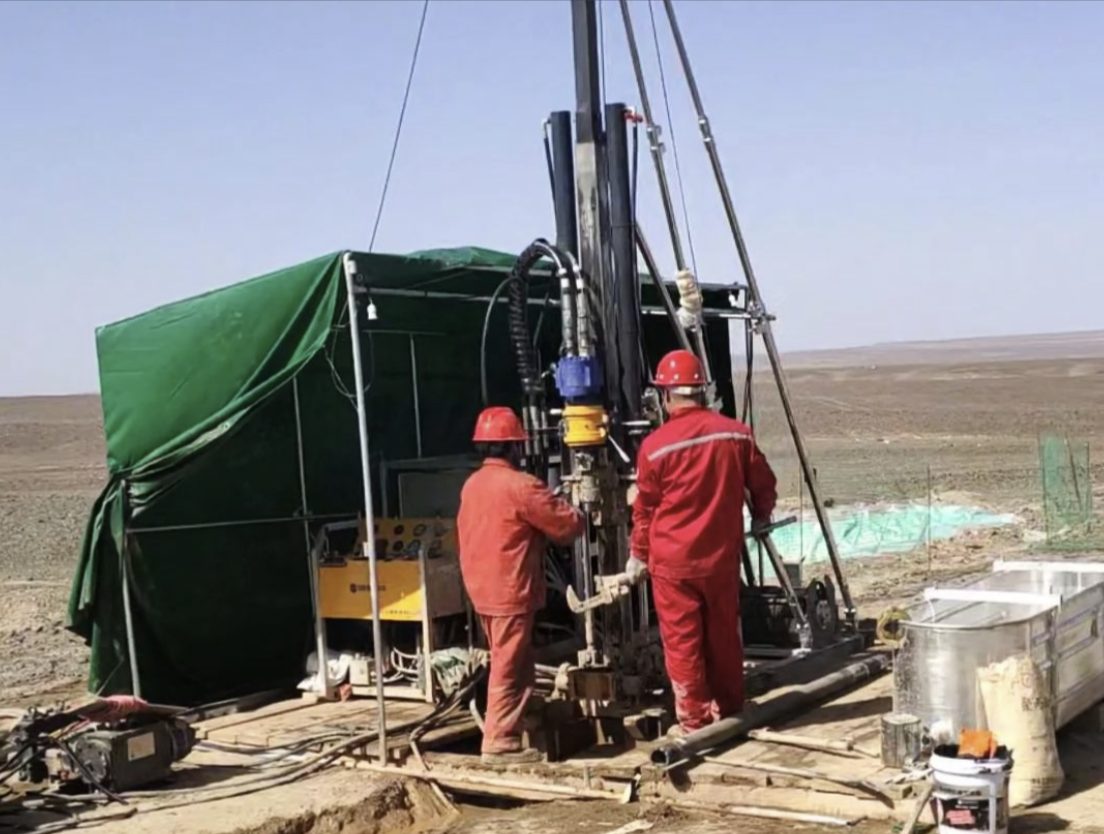
Early recognition, correct classification, and selection of the appropriate remediation method are the keys to minimizing downtime and preventing tool or borehole loss.