Analysis of Threaded Drill Bit Failure Causes
Analysis of Threaded Drill Bit Failure Causes
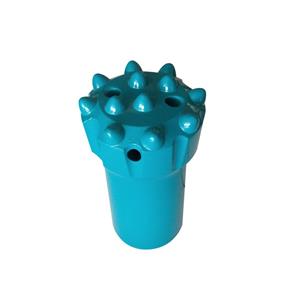
Threaded drill bits can fail in several different ways during rock drilling. Understanding the failure pattern helps operators and maintenance teams identify problems in product selection, manufacturing, drilling conditions, and operating methods.
1. Broken or Chipped Carbide Teeth
Carbide teeth may break when the rock conditions are not properly understood or when the selected bit type and carbide grade are unsuitable. Insufficient carbide strength, internal material defects, improper material selection, or damage introduced during manufacturing can also lead to tooth breakage.
Improper drilling practices are another common cause. Excessive pressure during hole opening and continued use of a blunt bit can place excessive loads on the carbide teeth.
2. Carbide Tooth Loss
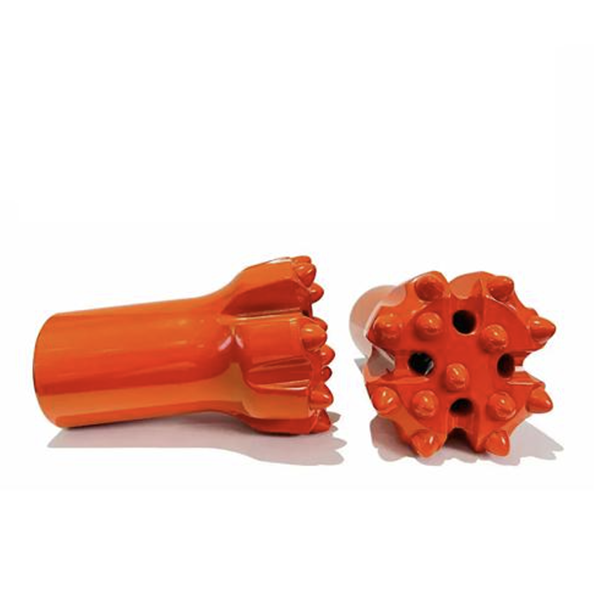
Early carbide tooth loss is generally abnormal. Possible causes include incorrect tooth-retention process parameters, manufacturing deviations, and poor interference fit between the carbide insert and the bit body.
impact without effective rock contact may also loosen carbide teeth. If teeth fall out shortly after drilling begins, the problem is more likely related to manufacturing or assembly. Tooth loss near the end of service may indicate unsuitable edge-tooth width or outside-flaring angle design. If the center tooth breaks while the edge teeth remain intact, the tooth layout may require improvement.
Matching the wear rate of the carbide teeth and bit body can help reduce premature tooth loss.
3. Drill Bit Body Fracture
Bit body fracture is mainly associated with fatigue. Inappropriate body material with insufficient tensile or fatigue strength can cause early cracking. Poor geometric design may create stress concentrations, which can be reduced by increasing the transition radius.
Insufficient heat treatment, low body hardness, sharp machining corners, and deep tool marks can further weaken the body. Operational factors such as eccentric drilling and continued use of a blunt bit also increase stress.
The thread design, wall thickness, drill-rod fit, and clearance between the rod and bit tail must all be considered. Steel cleanliness and excessive heat-treatment hardness may also affect fracture resistance.
4. Normal End-of-Life Scrap
A drill bit reaches normal end of life when wear, especially carbide-tooth wear, prevents further effective drilling. The normal scrap ratio may range from approximately 16% to 67%, and higher-quality bits may show a higher proportion of normal wear-related retirement.
Even when a bit has only a small number of broken or missing carbide teeth and can still operate, the resulting uneven wear can accelerate final failure. Regular inspection and timely replacement help maintain drilling performance and reduce unexpected downtime.
Always evaluate failure causes together with rock conditions, bit design, manufacturing quality, drilling parameters, and the condition of the matching drill rod.