Top Hammer Coupling Sleeves: Types, Thread Compatibility, and Selection Guide
Top Hammer Coupling Sleeves: Types, Thread Compatibility, and Selection Guide
In top hammer drilling, a coupling sleeve may look like a small part of the drill string, but it has a major influence on drilling efficiency, thread life, and operational reliability. The sleeve connects the shank adapter to the drill rod or joins two drill rods together. If the connection is inaccurate, loose, or poorly manufactured, impact energy can be lost before it reaches the bit.
For mining, quarrying, tunneling, and construction applications, choosing the right coupling sleeve is essential for maintaining a stable and productive drilling system.
What Does a Coupling Sleeve Do?
A coupling sleeve has two primary functions. First, it connects the shank adapter to the drill rod. Second, it connects drill rods when a longer drill string is required.
However, a quality sleeve does more than simply join components. It helps transfer high-frequency impact energy from the rock drill piston through the drill string and toward the drill bit. It also keeps the drill string aligned, which helps reduce hole deviation and bending stress on the threads.
Proper stress distribution is another important function. A well-designed sleeve can reduce premature thread damage, thread stripping, and fretting wear caused by repeated impact and rotation.
Main Types of Coupling Sleeves
Different drilling conditions require different sleeve designs.
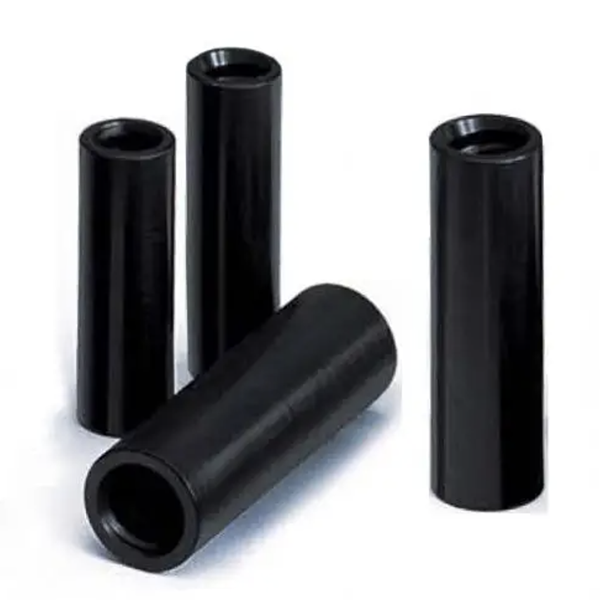
Semi-Bridge Coupling Sleeves
A semi-bridge sleeve has an unthreaded bridge at its center. The drill rods contact this bridge, preventing them from being screwed too far into the sleeve.
This type is commonly used for general production drilling where stable alignment and easy rod removal are important. It is a practical choice for many routine drilling operations.
Full-Bridge Coupling Sleeves
A full-bridge sleeve uses threads along its length but includes a central stop that allows the drill rods to make end-to-end contact in the middle of the sleeve.
This design is suitable for heavy-duty work and high-torque drilling. Because the drill rod ends carry much of the impact load, the sleeve threads receive added protection from excessive stress.
Adapter or Crossover Coupling Sleeves
Crossover sleeves connect components with different thread sizes. For example, they may connect an R32 shank adapter to a T38 drill rod.
They provide flexibility for contractors and drilling teams that use different equipment specifications within the same operation.
Thread Compatibility Matters
Thread compatibility is non-negotiable in top hammer drilling. Common thread systems include:
R series: R22, R25, R28, R32, and R38
T series: T38, T45, and T51
GT/ST series: ST58, ST68, and GT60
Larger thread systems are generally used for deeper holes, larger hole diameters, and more demanding drilling conditions. Before selecting a sleeve, confirm the thread type, rod diameter, equipment model, and intended drilling application.
How to Choose the Right Coupling Sleeve
Material quality should be the first consideration. High-strength alloy steel is needed to withstand millions of impact cycles and continuous torque.
Heat treatment is equally important. Carburizing creates a hard, wear-resistant surface while retaining a tough core. This balance helps the sleeve resist cracking, deformation, and premature wear.
Machining accuracy also affects performance. CNC-machined threads help ensure a precise fit between the sleeve and drill rod. Excessive thread clearance can lead to heat buildup, energy loss, vibration, and costly tool failure.
Why Quality Sleeves Improve Drilling Results
A reliable coupling sleeve supports efficient energy transfer, stable drill string alignment, and longer thread life. It can reduce downtime caused by damaged connections and help drilling teams maintain consistent productivity.
RockHound coupling sleeves are made from 22CrNi3Mo alloy steel and use carburizing and quenching treatment. Their CNC-machined threads are designed to match widely used international thread standards and reduce the risk of loose connections and avoidable energy loss.
When selecting drilling accessories, do not treat the coupling sleeve as an afterthought. Matching the correct sleeve type, thread specification, material grade, and heat treatment to the job can make a measurable difference in tool life and drilling performance.