Uncovering the Many Names of Geological Drill Rods
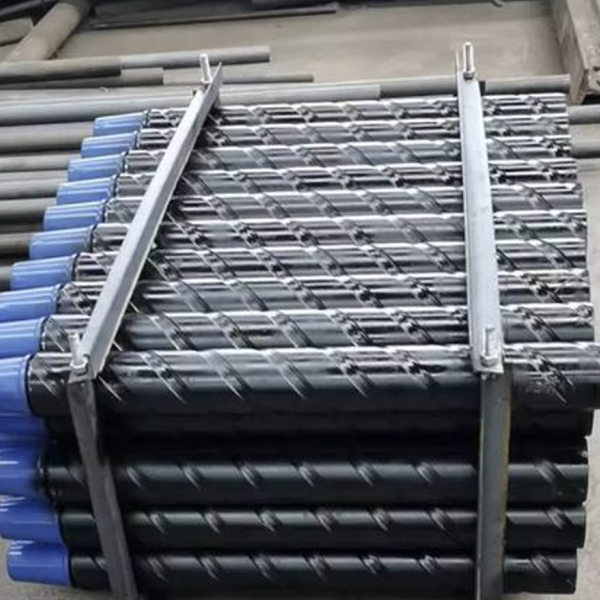
In underground operations such as geological exploration and coal mining, the geological drill rod is an indispensable core tool. It connects the drilling rig to the drill bit, transmits torque and pressure, and plays a vital role throughout the drilling process. Often regarded as the “underground leader” of drilling operations, this essential component is known by several different names in the industry.
Beyond its official term, drill rod, professionals have developed a variety of common names over years of field practice. These alternative names are usually based on the rod’s structure, material, appearance, production standard, or application scenario. Understanding these terms can help buyers, engineers, and operators better identify the right product for specific working conditions.
Let’s take a closer look at the multiple “identities” of the geological drill rod.
1. Imitation British Standard Drill Rod
One common name is the Imitation British Standard Drill Rod. This term comes from its production background. In the early stage of drill rod manufacturing, some products were made with reference to British technical standards and specifications, which led to this name.
Although the term carries a historical flavor, it is still used in certain regions and by some companies today. It reflects both the development history of the industry and the influence of international drilling standards on local production.
2. Round Drill Rod / Smooth Drill Rod
The names Round Drill Rod and Smooth Drill Rod are derived from the rod’s external appearance.
This type of drill rod features a round rod body with a smooth surface and no raised profile, making it easy to identify at a glance. Because of these visible characteristics, front-line workers often use these terms in daily communication.
These are among the most practical and commonly used informal names in the field, especially when quick visual identification is needed.
3. Flush Joint Drill Rod
The Flush Joint Drill Rod is named according to its structural design. Its rod body and joint share the same outer diameter, creating a smooth and uniform profile.
This design helps:
reduce drilling resistance,
improve hole-cleaning efficiency,
minimize sticking or jamming during operation.
Because of these advantages, flush joint drill rods are especially suitable for drilling environments where smooth rod movement and operational stability are required.
4. Geological Alloy Drill Rod
The term Geological Alloy Drill Rod highlights the material used in manufacturing.
Since geological drilling often takes place in harsh underground environments involving abrasion, impact, and heavy mechanical stress, these drill rods are commonly made from high-strength alloy steel. This gives them an ideal balance of hardness and toughness, allowing them to perform reliably under demanding working conditions.
This name clearly distinguishes alloy drill rods from ordinary drill rods and emphasizes their superior durability and performance.
5. Conventional Drill Rod for Coal Mine Tunnels
Another industry term is the Conventional Drill Rod for Coal Mine Tunnels. As the name suggests, this type is specially designed for drilling work in coal mine roadways and tunnel environments.
To meet the specific demands of coal mining operations, this drill rod is typically optimized for:
wear resistance,
impact resistance,
stable performance in confined underground spaces.
It is one of the most widely used drill rod types in coal mining and is highly application-specific.
6. Exploration Drill Rod
The name Exploration Drill Rod (also referred to as Prospecting Drill Rod in some contexts) directly reflects the rod’s main function.
The primary role of a geological drill rod is to work with a drilling rig for geological exploration, whether for:
mineral prospecting,
engineering investigation,
hydrogeological surveys,
geotechnical drilling.
Because of its broad and general applicability, this is one of the most widely accepted and universally understood alternative names in the industry.
7. Down-the-Hole Drill Rod
The Down-the-Hole Drill Rod, often abbreviated as DTH Drill Rod, refers to a drill rod designed for use with a down-the-hole hammer.
It is mainly applied in:
medium-deep hole rock drilling,
open-pit mining,
quarrying,
blasting hole drilling.
Its structural and mechanical performance is specifically matched to the working principle of the DTH hammer, which makes it clearly different from conventional geological drill rods used in other drilling scenarios.
Why These Alternative Names Matter
In summary, these different names act as practical “identity labels” for geological drill rods. They are the result of long-term industry use and field experience, helping professionals communicate more efficiently and select the right rod for the right application.
By understanding these alternative terms, buyers and operators can gain a more comprehensive view of geological drill rods and make more accurate choices in real-world operations. Whether in geological exploration, mining, tunneling, or rock drilling, selecting the proper drill rod is essential to improving efficiency, safety, and drilling performance.
As a true workhorse of underground operations, the geological drill rod continues to play a crucial role in supporting all kinds of geological and engineering projects.