Underground Mine Safety Barrier: Comprehensive Guide to Rockburst Prevention and Control
Rockbursts are major geohazards in underground mining. Effective prevention and control require a full-chain management system: hazard identification — dynamic risk assessment — plan development — monitoring and early warning — and implementation of control measures. The core objective is to accurately identify causative factors, scientifically assess risk levels, systematically develop mitigation strategies, and maintain real‑time monitoring and early warning so as to minimize rockburst incidents and protect mine production safety.
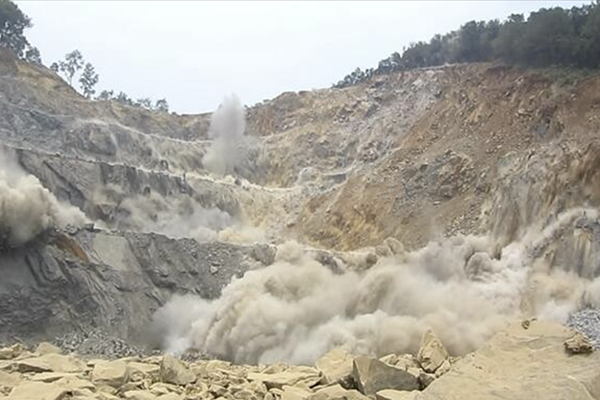
I. Core Execution Process for Prevention and Control Rockburst prevention and control should follow a progressive workflow: risk judgment → plan development → monitoring and early warning. Responsibilities and implementation standards must be clearly defined at each stage to ensure measures are actually executed and effective.
(a) Dynamic Risk Evaluation Mechanism Risk assessment must focus on high‑risk scenarios and combine susceptibility studies with ongoing dynamic evaluation. When typical rockburst precursors occur — such as strong ground vibration, instantaneous floor or rib heave, rock ejection, or when mining depth exceeds 1,000 m — mandatory susceptibility studies must be carried out. For mine sections with elevated rockburst propensity, the mine technical department should lead dynamic risk assessments and produce monthly and annual evaluation reports. These reports, reviewed by the mine technical head, will serve as the primary basis for control actions.
(b) Development and Approval of Control Plans The scientific quality and specificity of control plans determine their effectiveness. Plan development must integrate key information: rockburst causative factors, dynamic risk assessment results, and potential hazard zones. After drafting, plans must be peer-reviewed under the organization of the mine technical head; only after approval and endorsement by the mine’s principal manager can implementation begin. This process ensures plans are both technically feasible and operationally implementable.
(c) Monitoring and Early‑Warning System Construction Monitoring and early warning act as the mine’s early detection system and should be tailored to the mine’s risk level. Underground mines deeper than 800 m or those already identified as rockburst‑prone should install online ground pressure monitoring systems. Mines facing severe rockburst hazards should supplement basic monitoring with specialized facilities such as microseismic monitoring, establish routine surveillance and warning procedures for hazardous zones, and set quantified warning thresholds to enable early detection and timely alerts.
II. Key Implementation Requirements To ensure effective control, strict requirements should be established for risk assessment, plan execution, monitoring support, and personnel protection, forming a comprehensive closed‑loop prevention system.
(a) Risk Assessment Methods and Rating Criteria Dynamic rockburst risk assessment must use scientifically accepted methods, such as rock mechanics criteria, numerical simulation, monitoring‑based early warning, or empirical approaches, to ensure reliable results. Mining enterprises should combine dynamic assessment outputs with observed rockburst damage to assign risk grades, providing a graded basis for targeted mitigation measures.
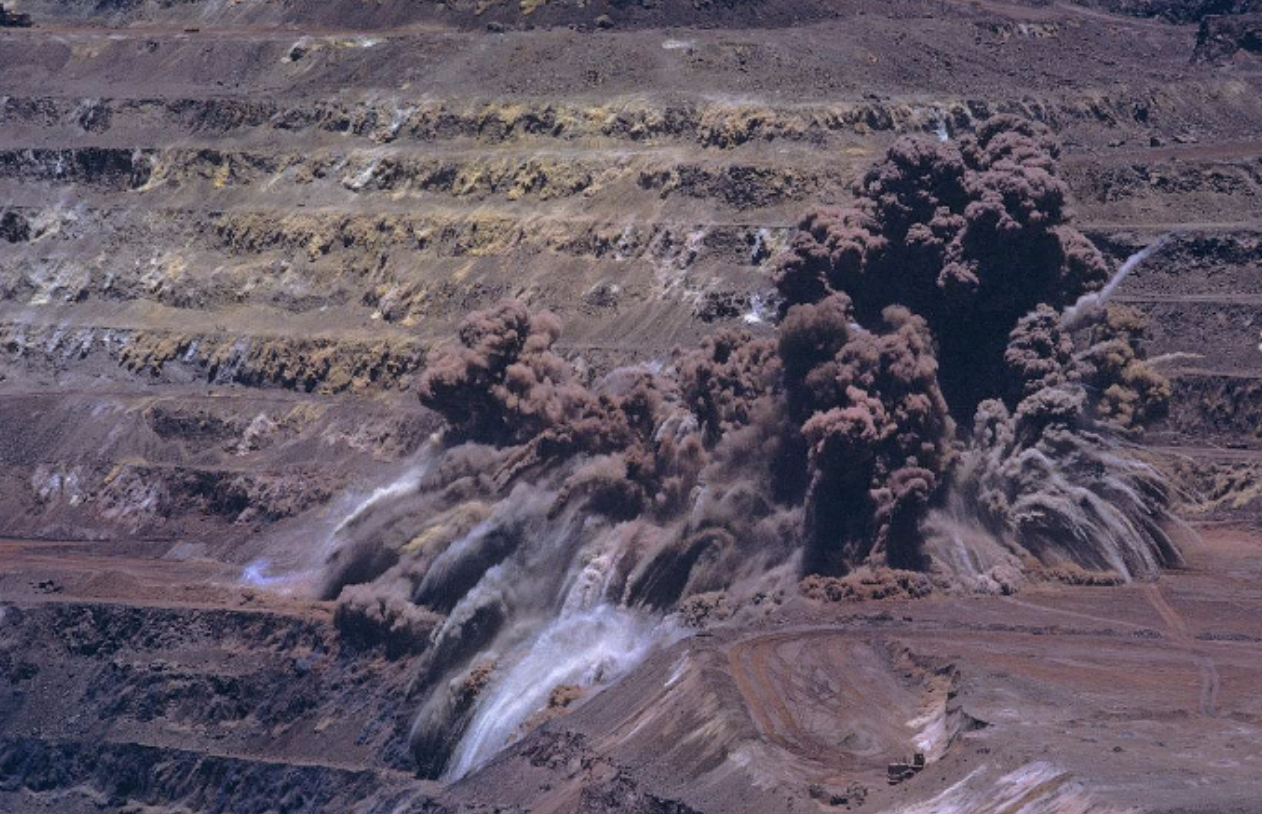
(b) Core Contents of Control Plans and Implementation Priorities Control plans must cover all critical elements: rock mass quality evaluation, rockburst susceptibility analysis, roadway cross‑section and sizing, optimization of panel structural parameters, pillar destress blasting, face preconditioning, roadway support design, and emergency response after rockbursts. Source control is primary: prefer mining methods and processes that reduce stress concentration. Optimize mine design, extraction sequence and direction, and panel parameters to mitigate risks at the source.
Differentiated controls are required for different risk scenarios. In high‑stress areas with frequent microseismicity, apply advanced destressing measures such as pillar blasting. In zones prone to strain‑type rockbursts during tunneling, adopt face blasting preconditioning to lower energy buildup. For roadways affected by seismic‑type rockbursts, prioritize energy‑absorbing support systems. Establish an emergency response protocol: immediately evacuate personnel upon detecting rockburst signs, and determine safe re‑entry times based on microseismic decay characteristics and updated risk assessments after mitigation actions.
(c) Monitoring System Layout Standards Microseismic monitoring is a key tool and must cover all areas where rockbursts may occur. Sensor placement should form an enveloping spatial layout to eliminate blind spots, ensuring data completeness and reliability.
(d) Strengthening Personnel Safety and Protection To minimize personnel exposure, prioritize remote and automated operation of tunneling jumbos, bolting rigs, loaders, and other mining equipment. Reducing the duration and frequency of human presence in rockburst‑prone zones is essential to safeguarding life.
In summary, rockburst control in underground mines must adhere to the principles of prevention first, targeted measures, technology‑enabled solutions, and closed‑loop management. By establishing robust execution processes, enforcing critical technical requirements, and relying on scientific monitoring, mines can build an all‑round, multi‑layered defense system that provides solid safety protection for high‑risk underground operations.