What Is an Umbrella Drill? A Guide to Vertical Shaft Drilling Equipment
What Is an Umbrella Drill?
An umbrella drill is a specialized rock drilling machine used primarily for vertical shaft excavation. It is widely applied in mining, tunneling, foundation construction, and other projects that require drilling work in vertical or steep underground spaces. In shaft sinking operations, the machine helps crews drill blast holes or support holes efficiently while working in a restricted environment.
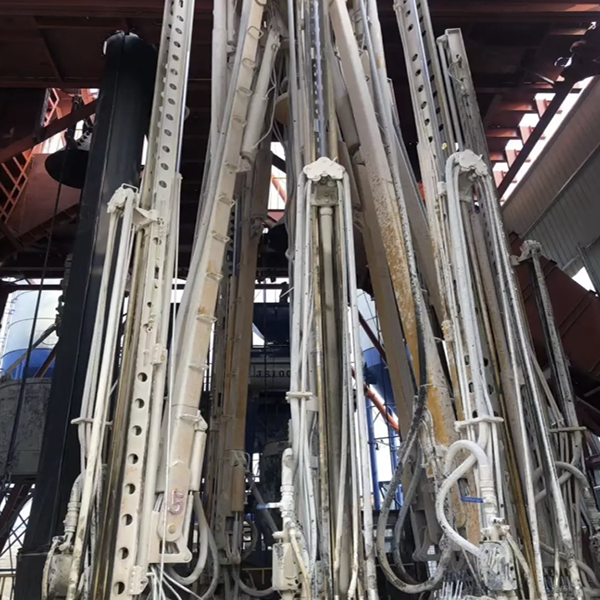
The name “umbrella drill” comes from its structure. The equipment typically has several drilling booms arranged around a central frame. When deployed, the booms extend outward in a pattern that resembles an umbrella. This arrangement allows one machine to drill multiple holes across the working face without repeatedly repositioning separate drilling units.
For contractors and mining operators, selecting the right umbrella drill can improve drilling productivity, reduce labor intensity, and provide more consistent hole placement. However, performance depends on more than the machine itself. The drilling method, number of booms, rock drill type, tool selection, maintenance quality, and operating conditions all influence results.
Main Components of an Umbrella Drill
An umbrella drill is generally made up of several major systems working together:
Umbrella-type drilling head or multiple drilling booms
Rotating support structure
Rotation mechanism
Feed and positioning system
Hydraulic system or pneumatic drilling system
Operator control console
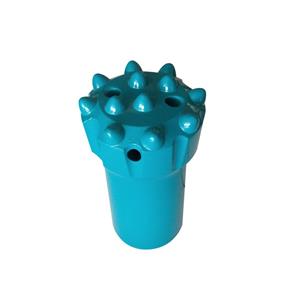
Rock drills, drill rods, and drill bits
The central support structure holds the machine in position, while the booms carry the rock drills to the required drilling locations. Depending on the model, the booms can rotate, extend, raise, lower, and align with the planned hole pattern.
The operator uses the control system to position each boom and control drilling activity. In modern equipment, this may include hydraulic controls, monitoring instruments, and, in some cases, automated drilling functions. The objective is to create holes with the required depth, angle, and spacing for the shaft excavation plan.
How Does Vertical Shaft Drilling Work?
In a vertical shaft application, the umbrella drill is moved to the required drilling level and positioned over the rock face. The drilling booms are then extended and adjusted to cover the planned hole locations.
The rock drill rotates the drill steel while delivering impact energy to the bit. The feed system pushes the drilling tools into the rock as drilling progresses. At the same time, flushing air or water helps remove cuttings from the hole. Effective cuttings removal is particularly important in downward drilling because accumulated debris can reduce drilling speed, increase tool wear, and affect hole quality.
The basic operating sequence normally includes:
Positioning and stabilizing the umbrella drill.
Extending and aligning each boom.
Setting the drilling angle and hole location.
Starting rotation, impact, feed, and flushing.
Monitoring drilling progress and tool condition.
Retracting the equipment after the holes are completed.
The exact procedure varies by machine model, site safety rules, and the approved drilling design. Operators should always follow manufacturer instructions and project-specific procedures.
Hydraulic vs. Pneumatic Umbrella Drills
Umbrella drills are commonly equipped with either hydraulic rock drills or pneumatic rock drills. Both types can be used in shaft work, but they have different performance and cost characteristics.
A hydraulic rock drill uses hydraulic power to provide impact and rotation. Hydraulic umbrella drills are typically selected when higher drilling efficiency and faster penetration are required. They can offer strong productivity in demanding rock conditions, especially when supported by good maintenance and suitable drilling tools. However, hydraulic systems usually require a higher initial investment and more specialized maintenance.
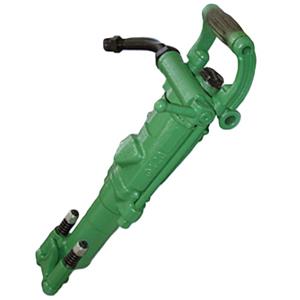
A pneumatic rock drill uses compressed air. Pneumatic umbrella drills are often valued for their simpler operating principle and relatively lower equipment cost. In comparison with hydraulic systems, pneumatic drilling may deliver a lower drilling rate, but it can remain a practical choice for projects where budget, available utilities, or maintenance capability are important considerations.
The best choice depends on the project. Operators should consider rock strength, shaft diameter, planned production rate, available power supply, maintenance resources, operating budget, and local service support before selecting a drilling system.
Number of Booms and Productivity
Umbrella drills may have several booms. Common configurations include three to six booms, while larger shaft projects may use machines with more booms. More booms can increase potential coverage and reduce the time required to complete a drilling round, but they also add complexity, cost, and maintenance requirements.
A larger machine is not automatically the best solution. The selected boom count should match the shaft size, drilling pattern, site logistics, and target production rate. A compact shaft may not benefit from an oversized rig, while a large-diameter shaft may require additional booms to achieve efficient coverage.
Maintenance and Tool Management
Reliable performance depends on routine inspection and correct maintenance. Operators should regularly check rock drills, feed mechanisms, hoses, hydraulic or pneumatic connections, drill rods, threads, and drill bits. Worn tools or poor flushing can reduce penetration rate and increase the risk of abnormal rod or bit failure.
A well-maintained umbrella drill can help improve safety, reduce downtime, and lower the total cost of shaft sinking. Combining suitable equipment with trained operators, quality drilling tools, and a disciplined maintenance program is the most practical route to consistent vertical shaft drilling performance.