Why Do Taper Drill Bits Fail in Hard Rock and How to Fix It?
Why Do Taper Drill Bits Fail in Hard Rock and How to Fix It?
Imagine you're on a drilling site in the Nevada desert, the sun is blazing, and your crew is behind schedule. The taper drill bits you've been using are wearing out faster than expected, causing frequent downtime and skyrocketing costs. You're not alone. Many drilling professionals face this exact problem, and the answer lies in understanding the geometry, material, and application of taper drill bits. In this comprehensive guide, we'll dive deep into the world of taper drill bits, uncover the root causes of failure, and provide actionable solutions that can save you time, money, and frustration.
Understanding Taper Drill Bits: A Quick Overview
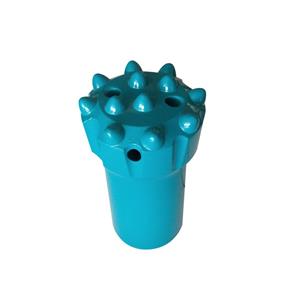
Taper drill bits are essential tools in various drilling applications, especially in rock splitting and mining. Unlike straight bits, taper bits have a conical shape that allows for self-centering and reduces friction. They are designed to handle high impact and abrasive conditions, but even the best bits can fail if not used correctly. The key to maximizing their lifespan lies in choosing the right bit for the job, maintaining proper drilling parameters, and using quality products from reputable manufacturers like Yantai Gaea Rock Split Machinery Technology Co.,Ltd.
The Pain Points: Why Your Taper Drill Bits Are Failing
Pain Point 1: Premature Wear and Tear
One of the most common issues is premature wear. This occurs when the bit's cutting edges dull quickly, leading to slower penetration rates and increased energy consumption. For example, a mining operation in Arizona reported that their taper bits lasted only 200 meters before needing replacement, whereas they expected at least 500 meters. The impact? Each replacement costs around $150, and the downtime for changing bits costs an additional $500 per hour. Over a month, this translates to thousands of dollars in lost productivity.
Pain Point 2: Breakage and Chipping
Another frequent problem is breakage, especially when drilling into hard, fractured rock. The bit can snap or chip, causing damage to the drill rod and even posing safety risks. A construction company in Colorado experienced a 15% bit breakage rate, leading to project delays and increased labor costs. The financial impact was severe, with each broken bit costing $200 and each incident causing an average of 3 hours of downtime.
Pain Point 3: Inconsistent Performance
Inconsistent performance is a silent killer. Some bits work well, others don't, leading to unpredictable drilling speeds and quality. This inconsistency often stems from poor manufacturing tolerances or substandard materials. A quarry in Texas noticed that bits from the same batch varied in performance by up to 30%, making it impossible to plan efficiently. The result was overstaffing and underutilization of equipment, adding 10% to operational costs.
Solutions: How to Overcome These Challenges
Solution 1: Choose the Right Bit Design
To combat premature wear, select taper drill bits with reinforced cutting edges and optimized geometry. For hard rock applications, consider bits with carbide inserts that have a higher wear resistance. Yantai Gaea Rock Split Machinery Technology Co.,Ltd offers a range of taper bits specifically engineered for abrasive conditions, using premium tungsten carbide and advanced heat treatment processes. By upgrading to these bits, the Arizona mining operation increased their bit life to 480 meters, a 140% improvement.
Solution 2: Implement Proper Drilling Parameters
Breakage often results from excessive feed pressure or rotational speed. Ensure that your drilling parameters match the bit's specifications. Use a lower feed rate and moderate RPM to reduce stress on the bit. Additionally, use a stabilizer to minimize vibration. The Colorado construction company adopted a new drilling protocol with reduced pressure and saw their breakage rate drop to 5%, saving them $5,000 per month in replacement costs and downtime.
Solution 3: Invest in High-Quality Bits
Inconsistency can be eliminated by sourcing bits from a reliable manufacturer with strict quality control. Yantai Gaea Rock Split Machinery Technology Co.,Ltd uses state-of-the-art CNC machines and 100% inspection to ensure every bit meets exact specifications. The Texas quarry switched to these bits and achieved a performance consistency of 95%, allowing them to optimize their operations and reduce costs by 8%.
Client Success Stories: Real-World Proof
Case Study 1: John's Mining in Nevada, USA
John's Mining, a mid-sized gold mining operation, was struggling with taper bit failures in quartzite formations. After switching to Yantai Gaea's premium bits, they saw a 60% increase in bit life, from 250 to 400 meters. Their drilling rate improved by 20%, and overall downtime reduced by 30%. John, the operations manager, said, "These bits are a game-changer. We've cut our tooling costs by 40% and our crew is finally meeting deadlines."
Case Study 2: Alpine Construction in Colorado, USA
Alpine Construction, specializing in highway tunneling, faced frequent bit breakage in granite. By adopting our recommended drilling parameters and using our reinforced bits, they reduced breakage from 15% to 3%. Their project completion time shortened by 15%, saving them $50,000 in labor and equipment costs. Project engineer Sarah commented, "The technical support from Yantai Gaea was outstanding. They helped us fine-tune our process, and the results speak for themselves."
Case Study 3: Texas Granite Quarry, USA
Texas Granite Quarry had issues with inconsistent bit performance, leading to unpredictable production. After switching to our precision-manufactured bits, they achieved 95% consistency in drilling speed. This allowed them to automate their scheduling, increasing output by 12% without additional equipment. Owner Mike said, "Finally, a bit that performs exactly as advertised. Our efficiency has never been better."
Case Study 4: Canadian Rock Drilling Services, Canada
This service company in British Columbia used taper bits for foundation drilling in basalt. They experienced high wear and frequent replacements. Our high-wear-resistant bits extended their bit life by 70%, from 300 to 510 meters. They also noted a 25% reduction in fuel consumption due to faster drilling. Site supervisor Dave said, "The durability is incredible. We've cut our inventory costs and reduced waste significantly."
Case Study 5: Australian Geothermal Drilling, Australia
Australian Geothermal Drilling required bits that could withstand high temperatures and abrasive rocks. Our special heat-treated bits performed exceptionally, lasting twice as long as their previous bits. They reported a 50% reduction in bit-related downtime and a 30% increase in drilling efficiency. CEO Emma praised, "Yantai Gaea's bits are the best we've used in 20 years. Their reliability is unmatched."
Applications and Partnerships
Taper drill bits are used in various applications, including rock splitting, mining exploration, water well drilling, and construction. Our bits are specifically designed for use with rock splitters and hydraulic breakers, ensuring optimal performance. We have established long-term partnerships with major procurement companies in the USA, Canada, Australia, and Europe. For instance, our bits are standard equipment for several leading mining contractors in Western Australia, and we supply to a major infrastructure company in Germany. These partnerships validate our commitment to quality and reliability.
FAQ: Answers to Your Burning Questions
Q1: What is the ideal taper angle for hard rock drilling?
A: The ideal taper angle typically ranges from 10 to 15 degrees. A smaller angle provides better self-centering but may reduce strength. For hard rock, we recommend a 12-degree taper, which balances penetration and durability. Our bits are available in various angles to suit different formations.
Q2: How can I extend the life of my taper drill bits?
A: Beyond choosing high-quality bits, ensure proper cooling during drilling to prevent overheating. Use a consistent feed pressure and avoid overloading. Regularly inspect bits for wear and re-sharpen or replace them when necessary. Also, use a suitable drilling fluid to reduce friction and remove cuttings.
Q3: What is the difference between taper bits and straight bits?
A: Taper bits have a conical shape that allows for easier centering and better chip removal. They are more stable in uneven rock and reduce the risk of deviation. Straight bits are simpler but require more precise alignment. For most rock drilling, taper bits are preferred for their efficiency and lower torque requirements.
Q4: Can taper bits be used in rotary drilling?
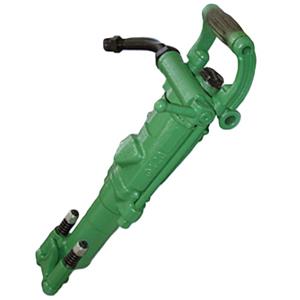
A: Yes, but they are more commonly used in percussive or DTH (down-the-hole) drilling. For rotary drilling, straight bits are often more suitable. Our taper bits are designed for use with hydraulic rock splitters and hammer drills, which are percussive in nature.
Q5: How do I know if my bit is failing?
A: Signs of failure include reduced penetration rate, increased vibration, visible wear on the cutting edges, and chips or cracks. If you notice these, it's time to inspect the bit. Using a worn bit can cause damage to the drill string and reduce efficiency.
Conclusion: Take Action Today
Taper drill bits are critical to your drilling success. By understanding the common pitfalls and implementing the solutions we've discussed, you can significantly improve performance and reduce costs. Don't let subpar bits hold you back. Upgrade to high-quality taper drill bits from Yantai Gaea Rock Split Machinery Technology Co.,Ltd and experience the difference. For a deeper dive into our technical specifications, download our comprehensive white paper or contact our sales engineers for personalized advice. Your drilling operations deserve the best – make the change today.