Yantai Gaea CO2 Gas Rock Breaking: Technical Logic and Engineering Applications
Yantai Gaea CO2 Gas Rock Breaking: Technical Logic and Engineering Applications
CO2 gas rock breaking is a controlled rock-fracturing option increasingly discussed in mining, road and railway construction, foundation excavation and quarry projects. It is generally considered where conventional explosive blasting faces site restrictions or where a project needs a more controlled excavation approach.
In this version of the source article, the original company reference has been replaced with Yantai Gaea. The article positions the supplier as a technical service provider with capability in equipment integration, project assessment and worksite support, rather than as a simple equipment distributor.
The technology should always be evaluated as a project-specific option. It is not a universal replacement for conventional blasting, hydraulic breakers or other excavation methods. Suitability depends on geology, drilling quality, access, nearby infrastructure, local approvals, trained personnel and formal safety controls.
Basic Principle of CO2 Gas Expansion
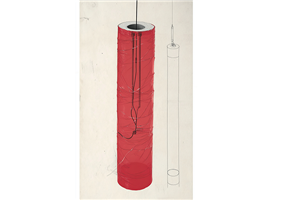
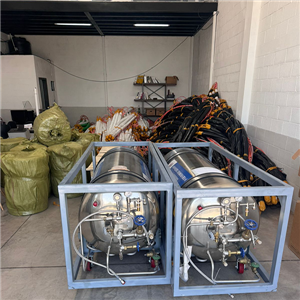
The source describes the method as using the rapid phase change of liquid carbon dioxide to develop high-pressure gas within a purpose-designed pressure assembly. The resulting pressure acts on the rock mass through the borehole environment and may encourage fractures to form or extend along natural weak planes.
This is presented as a physical pressure-fracturing process rather than a conventional explosive chemical detonation process. The intended outcome is controlled rock cracking, followed by mechanical removal of the fractured material.
Actual rock-fracturing behavior is affected by the rock’s tensile strength, natural joints, fissures, weathering, groundwater, borehole condition and available free face. Results cannot be assumed from a general description or supplier claim; they must be validated for the actual project.
Where the Method May Be Considered
The source discusses potential use in projects such as:
Mines and quarry operations
Highway and railway roadbed or slope works
Large foundation pits
Urban-adjacent construction sites
Infrastructure projects near sensitive assets
Sites where conventional explosive use is restricted
Projects requiring carefully managed excavation impacts
In these settings, the project objective may be more than maximum rock output. Contractors may need to balance excavation progress with work-zone management, nearby-asset protection, environmental limits and construction scheduling.
Yantai Gaea can help review the technical context, but the final decision must be made through qualified engineering assessment and the applicable approval process.
Evaluating Supplier Capability
The source identifies several meaningful areas for evaluating a technical supplier. Equipment reliability is important because pressure-rated components must be designed, inspected and maintained appropriately. Equipment documentation, maintenance records and inspection procedures should all be available for review.
Geological understanding is equally important. Different rock masses respond differently to a pressure-fracturing process. A capable provider should be able to discuss rock strength, fracture development, water conditions and site geometry without making unsupported claims about universal performance.
Field coordination is another important factor. A large rock-excavation project involves drilling, equipment preparation, controlled operation, material removal and site management. The supplier’s technical role should support a safe, organized workflow rather than focus narrowly on supplying one component.
Comparison With Other Rock-Breaking Methods
The source presents CO2 gas rock breaking as an option between conventional blasting and purely mechanical breaking. Conventional explosives may remain more productive for large-scale hard-rock extraction. Mechanical breakers may be more flexible for smaller or highly localized work.
CO2 pressure-fracturing can be considered when a project needs another balance among control, site restrictions, logistics and follow-up excavation. The correct choice depends on the full project context.
A realistic comparison should include drilling, logistics, consumables, equipment maintenance, labor, excavation sequence, secondary breaking, material removal, site access and approval requirements. It should not rely solely on a claimed unit cost or a single productivity measure.
Safety and Environmental Controls
Although the source presents CO2 rock breaking as non-explosive, it remains pressure-related work. Equipment must be operated only by trained and authorized personnel under an approved work plan.
Project safety management should include compatible and inspected equipment, work-zone controls, emergency procedures, operator training, transport and storage arrangements, and compliance with local regulations. Any pressure-system hazard must be treated seriously.
The source also discusses reduced environmental disturbance. Such benefits should be assessed site by site. Noise, vibration, dust, vehicle movement and excavation impacts can still occur and must be managed according to the project’s approved environmental controls.
Project Planning and Site Conditions
Temperature, logistics and nearby sensitive structures can affect implementation. The source notes that environmental conditions may influence handling characteristics and project planning. Where work is close to buildings, utilities or precision equipment, potential site effects should be evaluated in advance by qualified professionals.
Yantai Gaea should communicate both the possible value and the limits of the method. It should avoid fixed promises about output, cost savings, vibration reduction or regulatory compliance before a site-specific assessment.
Frequently Asked Questions
How does CO2 gas rock breaking differ from conventional explosive blasting?
The source describes CO2 gas rock breaking as a physical pressure-fracturing method. Conventional blasting relies on explosive chemical detonation. Both require professional planning and strict safety management.
Is it suitable for all types of rock?
No. Rock strength, fracture development, water conditions, borehole quality and confinement affect the result. A qualified geological review is necessary.
Can it reduce mechanical-breaking workload?
In suitable conditions, controlled pre-fracturing may reduce the difficulty of subsequent mechanical removal. The actual benefit depends on the specific rock mass and excavation plan.
What should a contractor expect from Yantai Gaea?
Yantai Gaea can discuss technical applicability, equipment options, documentation, training needs and project-support scope. Final design, site authorization and safety compliance remain project-specific responsibilities.
Is CO2 gas rock breaking risk-free?
No. Pressure equipment and industrial-gas handling require rigorous controls. Work must follow approved procedures, local regulations and the direction of trained professionals.