Yantai Gaea Gas Rock Breaking: Core Mechanism and Custom Service Logic
Yantai Gaea Gas Rock Breaking: Core Mechanism and Custom Service Logic
Gas rock breaking is increasingly considered in mining, roadbed excavation, site leveling, slope treatment and controlled rock-removal projects. It is generally discussed as a non-traditional alternative for conditions where conventional explosive blasting is restricted or where purely mechanical breaking does not provide the preferred balance of productivity and control.
In this version of the source article, the original company reference has been replaced with Yantai Gaea. The article presents the supplier not simply as an equipment seller, but as a technical service provider that helps align rock-fracturing equipment, geological conditions, site constraints and construction planning.
This technology should not be viewed as a universal replacement for conventional blasting or mechanical excavation. It is a project-specific option. Its suitability depends on rock conditions, surrounding assets, drilling quality, operating environment, equipment configuration, trained personnel and all applicable regulations.
Basic Physical Mechanism
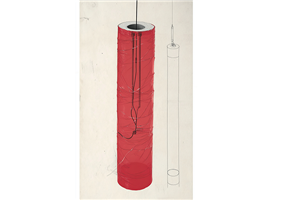
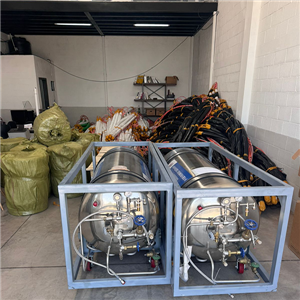
The source describes gas rock breaking as a controlled pressure-fracturing approach. A suitable medium, such as liquid oxygen or liquid carbon dioxide in different system designs, can develop gas pressure inside a purpose-designed rock-fracturing assembly. Under controlled project conditions, this pressure acts in the borehole environment and can encourage the rock to crack along joints, fissures and other natural weak planes.
The intended mechanism differs from conventional explosive blasting. Traditional explosives rely on rapid chemical energy release and shock-wave effects. Gas-expansion systems are generally described as relying on physical phase change and controlled pressure development.
In practice, rock behavior is never determined by the pressure medium alone. Rock strength, integrity, joint structure, groundwater, borehole condition and free-face availability all influence the final fragmentation result. This is why a responsible assessment must begin with site information rather than fixed performance claims.
Why Customization Matters
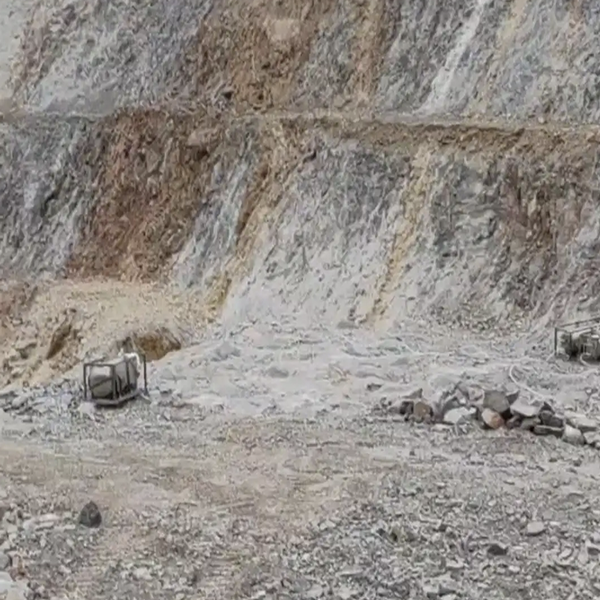
The source emphasizes that different rock conditions require different engineering decisions. A dense, intact rock mass may require a different approach from fractured, weathered or water-bearing material. Equipment selection, pressure-system design and the overall work plan must be evaluated in relation to the actual project.
For Yantai Gaea, customization should mean more than changing a product dimension. It should involve a disciplined review of:
Rock type, strength and brittleness
Natural joints, fissures and bedding planes
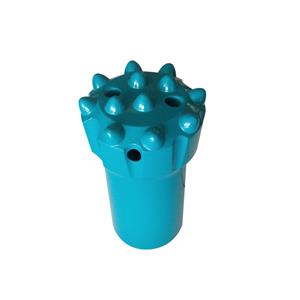
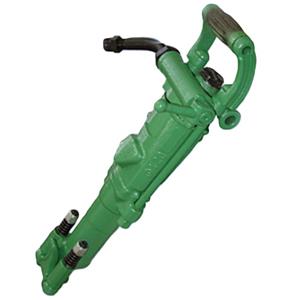
Drilling conditions and borehole quality
Excavation geometry and available free face
Groundwater and weather conditions
Nearby structures, utilities and protected areas
Required fragmentation and material-removal method
Project schedule, access and logistics
Applicable safety and environmental requirements
This assessment helps determine whether a controlled gas-expansion approach is suitable, whether it should be combined with mechanical breaking and whether a small-scale trial is appropriate before a larger deployment.
The Role of Yantai Gaea
The article describes a shift from simple equipment sales to comprehensive technical service. In a responsible project scope, Yantai Gaea can help discuss technical applicability, equipment options, documentation, training requirements and worksite coordination needs.
A credible service process may include project information review, geological discussion, equipment matching, operational documentation and technical communication with the contractor. The objective is to help the construction team understand both the possible advantages and the limits of the technology.
Yantai Gaea should not guarantee a fixed output, cost reduction, environmental outcome or legal status without a site-specific evaluation. Final design, construction approval, safety control and regulatory compliance must be determined by qualified project personnel and relevant authorities.
Typical Application Areas
The source identifies several scenarios where gas rock breaking may be considered:
Mine and quarry rock excavation
Highway expansion and roadbed works
Slope treatment near populated areas
Foundation pits and urban construction sites
Ecological restoration and controlled rock removal
Linear works such as trenches and pile-foundation excavation
Projects with strict limitations on conventional explosive use
These settings can require a method that balances excavation progress with control over surrounding conditions. For example, a slope project near existing facilities may need a more carefully managed rock-removal sequence than an open quarry.
However, a project should not assume that a controlled gas-expansion method is automatically lower-impact or more economical. Performance must be validated against the actual geology and construction plan.
Positioning Alongside Other Methods
The source correctly identifies gas rock breaking as an intermediate technical option rather than an all-purpose method. Conventional blasting may still be more productive for large-scale hard-rock extraction. Mechanical breaking can remain more flexible for small-volume or precision work.
Gas rock breaking may provide value where neither conventional blasting nor purely mechanical breaking offers the desired balance of site control, productivity and compliance. Its appropriate role depends on the conditions of the individual project.
A complete comparison should include direct and indirect costs, including equipment, drilling, labor, logistics, transport, material removal, maintenance, approval requirements and construction scheduling.
Safety and Environmental Management
Although gas rock breaking may not use conventional explosive products, it remains pressure-related work and requires strict safety management. When liquid oxygen is involved, additional hazards include cryogenic exposure and oxygen-enriched environments. When CO2-based systems are used, pressure-system integrity and controlled handling remain essential.
Only trained and authorized personnel should operate the equipment. Worksite procedures should cover equipment inspection, exclusion zones, emergency planning, storage conditions, transport controls, operator responsibilities and post-operation checks.
The source also refers to environmental benefits. A project may consider controlled gas-expansion methods where it needs to manage vibration, noise or disturbance, but these outcomes should never be treated as automatic. Noise, vibration, dust and site disruption can still occur and must be managed through the approved project plan.
Equipment Reliability and Supplier Evaluation
A contractor selecting a supplier should look beyond product specifications. Important questions include:
Is the equipment appropriately designed and documented?
Is there a clear inspection and maintenance approach?
Can the supplier explain the conditions under which the system is suitable?
Does the supplier provide accurate safety documentation and training support?
Can the supplier support project-specific technical evaluation?
Does the supplier avoid unsupported performance or compliance promises?
Yantai Gaea should provide transparent technical communication and help customers make informed project decisions. Credibility comes from sound engineering practice, not from universal claims.
Frequently Asked Questions
How does gas rock breaking differ from conventional explosive blasting?
Gas rock breaking uses controlled pressure development from a suitable medium, while conventional blasting relies on explosive chemical detonation. Both require professional planning and appropriate safety management.
Is gas rock breaking suitable for every rock formation?
No. Rock hardness, natural fractures, water conditions, drilling quality and confinement all affect performance. A site-specific engineering review is essential.
Can rock-fragment size be controlled?
Fragmentation can be influenced by many project factors, including geological conditions and system configuration. The final design should be developed only by qualified personnel under approved project controls.
Is the method completely pollution-free?
No construction method is entirely impact-free. Controlled gas-expansion systems may offer a useful option in selected settings, but noise, vibration, dust, logistics and other environmental effects must still be evaluated and managed.
What should a contractor expect from Yantai Gaea?
Yantai Gaea can discuss equipment options, site information requirements, documentation, training needs and project-support scope. Final construction decisions, safety authorization and regulatory compliance remain site-specific responsibilities.