Yantai Gaea Liquid Oxygen Rock Breaking: Principles, Applications and Safety
Yantai Gaea Liquid Oxygen Rock Breaking: Principles, Applications and Safety
Liquid oxygen rock breaking is a controlled rock-fracturing option that may be evaluated in mining, road construction, slope treatment, foundation excavation and other hard-rock projects. In this version of the source article, the original company reference has been replaced with Yantai Gaea.
The method is described as using the physical expansion of liquid oxygen within a suitable pressure-rated system to create rock-fracturing pressure. It is not a universal alternative to conventional blasting or mechanical breaking. The actual applicability depends on rock conditions, site restrictions, equipment suitability, trained personnel, safety controls and regulatory approval.
Basic Technical Principle
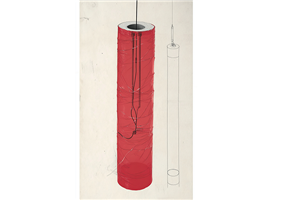
Liquid oxygen is a cryogenic oxidizer that can rapidly become gas under controlled conditions. In a designed rock-fracturing assembly, this change can create pressure within the borehole environment. When local stress exceeds the tensile resistance of the rock, fractures may develop or expand along natural joints and weak planes.
The source distinguishes this physical pressure-fracturing approach from conventional explosive blasting, which relies on explosive chemical detonation. However, “non-explosive” does not mean risk-free. Liquid oxygen and pressure equipment require strict safety management.
Potential Engineering Applications
Possible project scenarios include:
Open-pit mining and quarry operations
Roadbed and railway slope excavation
Foundation pits and site leveling
Infrastructure construction near existing assets
Projects with restrictions on conventional explosive use
Worksites requiring controlled rock removal
Yantai Gaea can provide technical discussion around equipment requirements, project information and possible service scope. Final method selection must be based on qualified engineering review and local approval requirements.
Safety Requirements
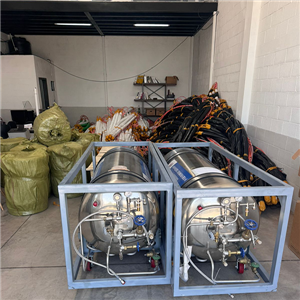
Liquid oxygen requires careful handling because it is cryogenic and strongly oxidizing. Projects must use trained and authorized personnel, approved compatible equipment, appropriate storage conditions and formal emergency controls.
A project safety plan should address equipment inspection, work-zone management, transport and storage, fire-risk controls, operator training and compliance with all applicable laws. Site-specific procedures must be determined by qualified professionals.
Application Limits
Rock strength, natural fractures, groundwater, borehole quality, weather conditions and site access all affect performance. Dense hard rock, weathered rock and highly fractured rock can respond differently. In some cases, mechanical breaking or another excavation approach may be more appropriate.
Yantai Gaea should communicate these limits clearly and avoid fixed claims about fragmentation, cost savings, output, vibration reduction or regulatory approval without a project-specific assessment.
Frequently Asked Questions
Is liquid oxygen rock breaking the same as conventional blasting?
No. The source describes it as a physical pressure-fracturing process rather than conventional explosive chemical detonation.
Is liquid oxygen hazardous?
Yes. It is a cryogenic oxidizer and must be handled only by trained personnel under approved safety procedures.
Can the method be used on all rock formations?
No. Rock properties and site conditions determine suitability. A qualified geological and engineering review is required.
What can Yantai Gaea provide?
Yantai Gaea can discuss technical applicability, equipment options, documentation, training needs and project-support scope. Final design and safe execution remain project-specific responsibilities.