Yantai Gaea Liquid Oxygen Rock Fracturing: Technology and Engineering Applications
Yantai Gaea Liquid Oxygen Rock Fracturing: Technology and Engineering Applications
Liquid oxygen rock fracturing is a controlled rock-breaking method discussed for mining, roadbed excavation, foundation pits and other projects with demanding site constraints. In this version of the source article, the original company name has been replaced with Yantai Gaea.
The method is presented as an alternative to conventional explosive blasting in selected conditions. It uses the physical expansion of liquid oxygen within a purpose-designed system to create pressure that may fracture rock. It should not be treated as a universal replacement for conventional blasting or mechanical excavation. Its suitability depends on geology, site conditions, engineering design, approvals and strict safety management.
Core Principle
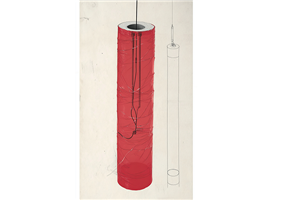
The source explains that liquid oxygen is a cryogenic liquid that can rapidly become gas under controlled conditions. In a pressure-rated rock-fracturing assembly, this phase change can create pressure in the borehole environment. When local stress exceeds the tensile resistance of the surrounding rock, fractures may form or extend along natural weaknesses.
This approach differs from conventional explosive blasting, which relies on explosive chemical reactions and shock-wave effects. The source characterizes liquid oxygen rock fracturing as a pressure-driven physical method. Actual fragmentation depends on the rock mass, borehole quality, geological structure, free-face conditions and operating discipline.
Potential Applications
Potential application scenarios discussed in the source include:
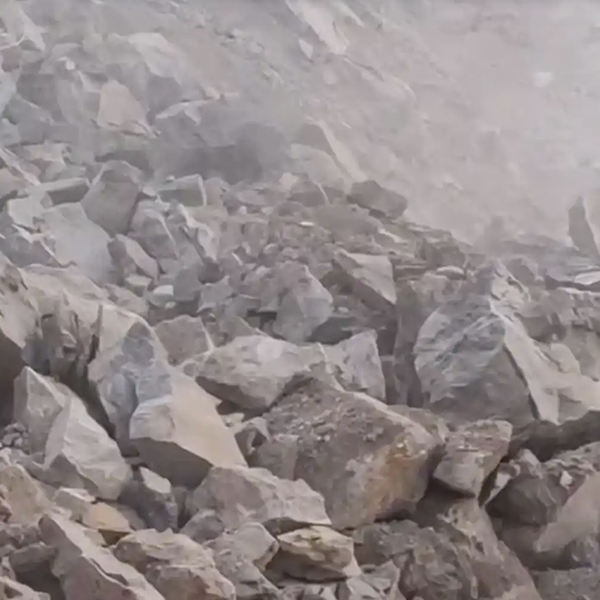
Open-pit mining and quarrying
Highway and railway slope excavation
Large foundation-pit rock removal
Urban-adjacent construction projects
Sites where conventional explosive use is restricted
Projects with strict control requirements for surrounding assets
Yantai Gaea can help review project information, discuss equipment scope and explain technical requirements. Final suitability must be confirmed through qualified engineering assessment and the applicable local approval process.
Liquid Oxygen Safety
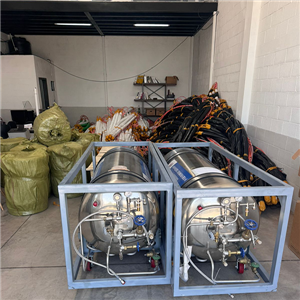
Liquid oxygen is a cryogenic oxidizer. It can cause serious cold-contact hazards and create oxygen-enriched environments that increase fire risk around incompatible or combustible materials.
Any project involving liquid oxygen requires trained and authorized personnel, compatible equipment, clear storage and transport controls, inspection procedures, emergency planning and compliance with all applicable industrial-gas and occupational-safety rules.
A supplier should not promise that a liquid oxygen system is automatically safer, easier to approve or suitable for every worksite. Those matters depend on local regulation, site conditions and approved project controls.
Geological Limits
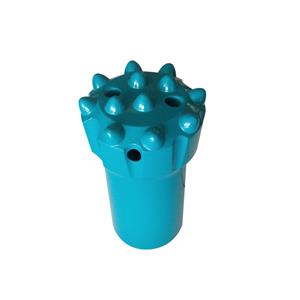
The source recognizes that performance can differ substantially among rock types. Hard, dense rock, weathered material, fractured rock and water-bearing ground can respond differently to a pressure-fracturing process.
A responsible evaluation should consider rock strength, joints, fissures, groundwater, drilling quality, nearby infrastructure, required fragmentation and material-removal method. In some sites, mechanical breaking or another excavation approach may be more appropriate.
Engineering Value
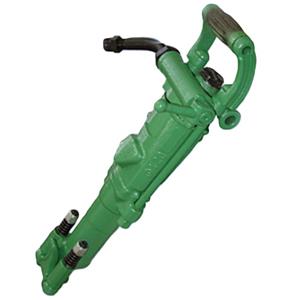
For suitable projects, controlled rock fracturing may offer another option between conventional blasting and purely mechanical breaking. Its potential value is not simply the equipment itself, but the ability to coordinate geological assessment, equipment selection, trained operation, work-zone management and downstream excavation.
Yantai Gaea’s role should be to provide transparent technical communication, equipment documentation, training support and project-oriented service within an agreed scope. Final design, safety authorization and regulatory compliance remain site-specific responsibilities.
Frequently Asked Questions
Is liquid oxygen rock fracturing the same as conventional explosive blasting?
No. The source describes it as a physical pressure-fracturing method rather than a conventional explosive chemical detonation process.
Is it suitable for every rock type?
No. Rock strength, integrity, fractures, groundwater and drilling conditions all affect the result. A site-specific engineering review is required.
Is liquid oxygen hazardous?
Yes. It is a cryogenic oxidizer and must be handled only by trained personnel using approved compatible equipment and site controls.
Can Yantai Gaea guarantee project outcomes?
No responsible supplier should guarantee fragmentation, cost savings, approval status or site performance without project-specific assessment. Results depend on the actual worksite and approved engineering plan.