Sandvik Tapered Button Bits: Sizes, Designs and Rock Drilling Applications
Sandvik Tapered Button Bits for Rock Drilling
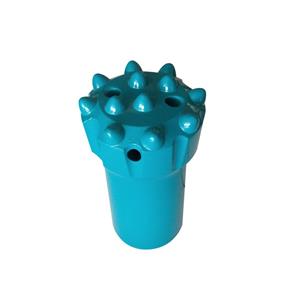
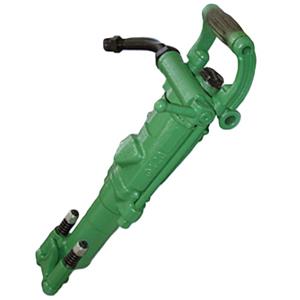
Sandvik tapered button bits are core consumable tools for underground mining, tunnel excavation, quarrying, and other conventional rock-drilling applications. Used with tapered drill rods and compatible rock drills, they transmit impact energy to the rock and create the required borehole.
The product range is designed to serve varying geological conditions, drilling depths, hole diameters, and rock-drill operating pressures. Its standardized and series-based design makes it suitable for routine drilling work where reliable matching between the drill rod, bit, and rock drill is essential.
Diameter Range and Bit Types
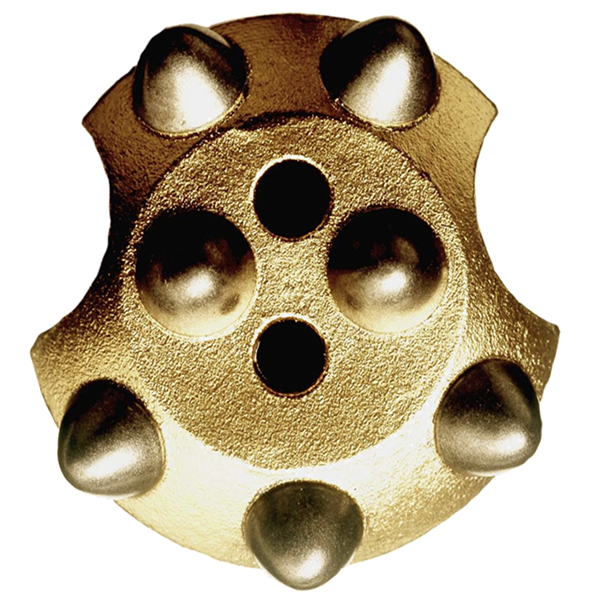
Sandvik tapered button bits are commonly available in diameters from 28 mm to 40 mm, covering widely used hole sizes in small-scale and handheld rock-drilling work.
The series includes two principal cutting structures:
Button-bit designs with carbide inserts
Cross-bit designs
Both designs can be reground when suitable for continued service. A controlled regrinding program can extend the usable life of the bit, improve consumable utilization, and reduce long-term replacement costs.
Taper Angles and Skirt Options
The tapered connection is offered in several common taper angles, including:
4.46 degrees
7 degrees
11 degrees
12 degrees
Correct taper selection is important because the bit and drill rod must achieve stable mating contact. The appropriate taper should be selected according to the matched drill rod and the operating conditions.
The product range also includes long-skirt and short-skirt versions. Selection depends on rock hardness, drilling depth, and the pressure characteristics of the rock drill. Skirt design influences the overall structural strength of the bit, its resistance to wear, and its suitability for specific drilling conditions.
Basic Structural Designs
The product range includes three basic structural configurations for different drilling needs.
General-Purpose Shallow-Hole Design
The first configuration is a basic general-purpose structure intended for shallow-hole drilling, typically within 2 meters. It is commonly used in dense and hard rock formations with low-pressure rock drills.
Its relatively simple structure makes it practical and cost-effective for routine shallow-hole drilling.
Reinforced Design for Complex Rock Conditions
The second configuration uses a reinforced structural design. It provides a stable overall form and balanced wear resistance, making it suitable for more complex rock conditions.
When used with high-pressure rock drills, this design can provide improved drilling stability. It is intended for situations where the bit must withstand more demanding working conditions.
Symmetrical Design for Hole Straightness
The third configuration uses a symmetrical layout. By distributing working loads more evenly during drilling, it helps maintain borehole straightness.
This design is suitable for standard drilling operations where consistent hole alignment is important.
Material and Heat-Treatment Process
The bits are made from high-quality specialty steel. Their bodies are processed through controlled-atmosphere heat treatment to develop the required structural performance.
The internal tapered section is hardened to improve the strength of the skirt and tapered connection area. This helps reduce structural failures such as skirt cracking and breakage during drilling.
The relationship between the body material, heat treatment, taper strength, and skirt structure is important to overall bit durability. These factors should be considered together when selecting tools for the intended rock-drilling conditions.
Carbide Insert and Hole-Machining Quality
Carbide insert holes are manufactured through precision drilling. The carbide inserts are accurately fitted to the prepared holes and use high-toughness carbide material.
Precise hole preparation and correct carbide fitting help improve insert retention. They also reduce common early failures, including carbide chipping and carbide breakage.
By improving the quality of the steel body, heat treatment, insert-hole machining, and carbide installation, the bit can achieve a longer operating life. This helps reduce bit-change downtime and supports more continuous drilling operations.
Selection Considerations
When selecting a tapered button bit, users should assess the following factors:
Required borehole diameter
Rock hardness and geological conditions
Hole depth
Rock-drill pressure type
Matched drill rod and taper angle
Need for drilling stability or hole straightness
Expected wear level and regrinding plan
A properly matched tapered bit, drill rod, and rock drill can improve drilling continuity, reduce abnormal tool wear, and help control consumable costs.